






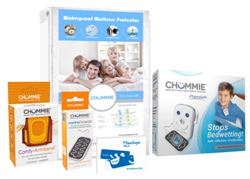
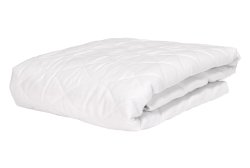
 Our #1 Top SellerIdeal for Daily Use
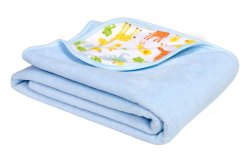 Premium Quality BeddingSoft and Comfortable
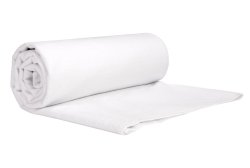 Premium Quality BeddingLarge Urine Absorption
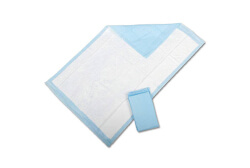 AFFORDABLE PRICECHANGE DAILY AS NEEDED

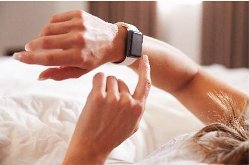
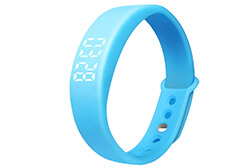 Sleek, Stylish and Affordable Watch
 Multi-Function Watch with Numerous Features
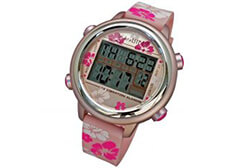 Recommended watch for teens and adults
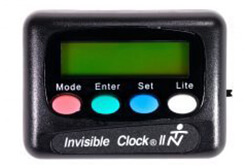 Perfect for medication and other reminders



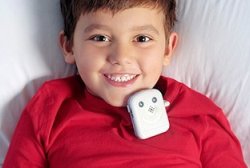




Bedwetting Alarm vs Bedwetting Pad: Which Is Better for Nighttime Training?
Overview
A bedwetting alarm and a bedwetting pad can serve very different purposes.
A traditional bedwetting alarm is designed to detect moisture and alert the sleeper so nighttime bladder awareness can gradually develop. A standard absorbent bedwetting pad, on the other hand, is mainly used to protect the mattress and make cleanup easier.
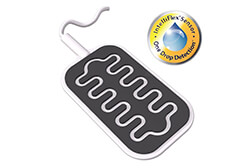
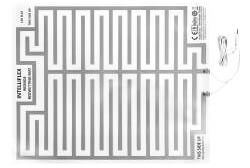
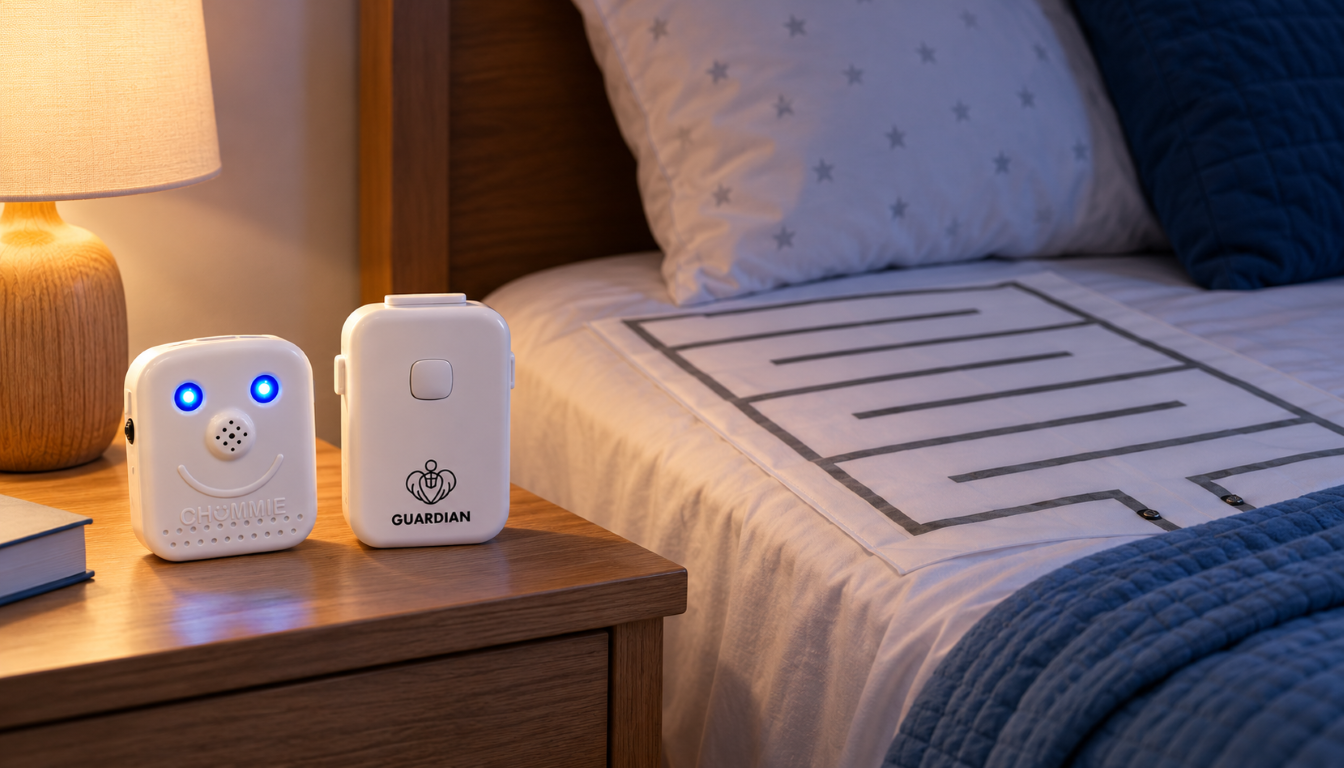
There is also a third option: a bedside bedwetting alarm that uses a moisture-sensing pad or mat. Systems such as the Guardian Bedside Bedwetting Alarm combine the comfort of a bed-based sensing surface with the active alert function of a bedwetting alarm.
For families deciding between a wearable alarm, a sensing-pad alarm, and a regular absorbent pad, the right choice depends on the goal. If the goal is nighttime training, an alarm system is generally more relevant than mattress protection alone. If the goal is only to protect bedding, an absorbent pad may be sufficient.
This guide explains the differences, advantages, limitations, and situations in which each option may make the most sense.
Introduction
Parents searching for a solution to nighttime wetting often encounter several products that look similar but work very differently.
Some are wearable alarms. Some sit beside the bed. Some use moisture-sensing mats. Others are simply absorbent pads placed on top of or beneath the sheet.
That can make choosing the right product confusing.
The first question should be:
Are you trying to protect the bed, or are you trying to create a nighttime training response?
A standard absorbent bedwetting pad is designed primarily for protection. It absorbs urine and can reduce the amount of bedding that needs to be washed.
A bedwetting alarm has a different purpose. It detects moisture and immediately produces an alert so the sleeper or parent can respond.
A bedside sensing-pad alarm combines elements of both approaches. The sleeper does not need to wear a moisture sensor, but the system still detects wetness and activates an alarm.
Understanding these distinctions makes it much easier to choose the right nighttime setup.
Table of Contents
- What Is a Bedwetting Alarm?
- What Is a Bedwetting Pad?
- What Is a Bedside Bedwetting Alarm?
- Bedwetting Alarm vs Bedwetting Pad: The Main Difference
- Why Guardian Is Different From a Regular Bed Pad
- Wearable Alarm vs Bedside Sensing Pad
- Which Option Is Better for Deep Sleepers?
- Which Is More Comfortable?
- Which Is Easier for Parents?
- Which Is Better for Teens and Adults?
- Do You Still Need Mattress Protection?
- How to Choose the Right System
- Frequently Asked Questions
- Final Thoughts
1. What Is a Bedwetting Alarm?
A bedwetting alarm is a moisture-detection system designed to alert the sleeper when wetting begins.
Most alarms use one or more of the following alerts:
- Sound
- Vibration
- Light
- Changing tones
The moisture sensor activates when it detects urine.
Wearable alarms typically attach the sensor to underwear or sleepwear. Because the sensor is positioned close to the point where wetting begins, it can often react quickly.
Families looking at multiple options can review the best bedwetting alarms to compare alert types, sensor designs, comfort, and suitability for different sleepers.
2. What Is a Bedwetting Pad?
A standard bedwetting pad is usually an absorbent or waterproof product placed on the bed.
Its primary purpose is protection.
A bed pad may:
- Absorb urine
- Protect the mattress
- Reduce laundry
- Make nighttime cleanup easier
- Provide an extra protective layer beneath the sleeper
However, a normal absorbent pad does not usually alert the sleeper when wetting begins.
It manages the consequences of bedwetting rather than actively responding to the wetting event.
That distinction is important.
If the goal is simply to protect a mattress, a pad may be enough.
If the goal is alarm training, a regular absorbent pad does not perform the same function as a moisture-detecting alarm.
3. What Is a Bedside Bedwetting Alarm?
A bedside bedwetting alarm uses a sensing surface placed on the bed rather than attaching a moisture sensor directly to clothing.
This type of system can be useful for users who dislike wearable sensors or want a less intrusive setup.
The Guardian Bedside Bedwetting Alarm is an example of this approach.
Instead of relying on a small wearable sensor, Guardian uses a moisture-sensing pad or mat that detects wetness and activates the alarm system.
This gives the user the comfort of a bed-based setup while still providing an active response when moisture is detected.
That makes it fundamentally different from a passive absorbent bed pad.
4. Bedwetting Alarm vs Bedwetting Pad: The Main Difference
The simplest distinction is:
A bedwetting alarm detects moisture and alerts the sleeper.
A regular bedwetting pad absorbs moisture and protects the bed.
One is an active training tool.
The other is primarily a protection product.
Families sometimes use both together.
For example, an alarm can be used for nighttime training while a waterproof or absorbent pad protects the mattress during the process.
They are therefore not necessarily competing products.
They can solve different parts of the same nighttime problem.
5. Why Guardian Is Different From a Regular Bed Pad
Guardian can look like a pad-based product, but it should not be confused with a standard absorbent mattress pad.
The key difference is moisture detection.
A standard pad waits for urine and absorbs it.
A bedside bedwetting alarm with a sensing pad detects moisture and activates an alert.
That changes the role of the product entirely.
The sensing pad becomes part of the alarm system rather than simply serving as bedding protection.
This may be particularly appealing for users who want alarm training without attaching a sensor to underwear.
6. Wearable Alarm vs Bedside Sensing Pad
Both systems can be effective options, but the user experience is different.
Wearable Bedwetting Alarm
A wearable alarm uses a small moisture sensor attached directly to clothing.
Advantages can include:
- Detection close to the first point of moisture
- Compact design
- Easy travel
- Strong connection between wetness and alarm activation
A product such as the Chummie Premium wearable bedwetting alarm also combines sound, vibration, and visual alerts.
Bedside Sensing-Pad Alarm
A bedside system uses a moisture-sensing mat or pad placed on the bed.
Advantages can include:
- No sensor attached to clothing
- Greater comfort for users who dislike clips or wires
- Easier setup for some teens and adults
- A less intrusive nighttime experience
Families can compare bedwetting alarms before deciding which design fits the sleeper better.
7. Which Option Is Better for Deep Sleepers?
Deep sleepers often need stronger or more varied alerts.
A basic absorbent pad offers no alert at all, so it does not address the waking problem.
An active alarm system is usually more relevant when waking is part of the goal.
For deep sleepers, look for features such as:
- Multiple alarm tones
- Strong vibration
- Bright light
- Louder sound
- Changing alert patterns
- Parental assistance during early training
Both wearable and bedside alarm systems can work for deep sleepers, depending on alert strength and how the sleeper responds.
The important factor is not simply whether the sensor is worn or placed on the bed.
It is whether the system detects moisture reliably and produces an alert strong enough to trigger a response.
8. Which Is More Comfortable?
Comfort can be one of the biggest differences between wearable and bedside systems.
Some users barely notice a wearable sensor.
Others strongly dislike having anything attached to underwear or pajamas.
For those users, a bedside sensing-pad alarm may be more comfortable because nothing needs to be clipped to clothing.
A passive bed pad may be even less noticeable, but again, it does not provide active alarm training.
Comfort matters because consistent use is important.
If the user strongly dislikes the system, nightly compliance becomes harder.
9. Which Is Easier for Parents?
The answer depends on the family.
Wearable alarms can be quick to set up once the user becomes familiar with sensor placement.
Bedside systems may feel simpler because there is no sensor to attach directly to clothing.
Parents should consider:
- Setup time
- Reset procedure
- Cleaning
- Sensor placement
- Whether the child moves frequently
- Whether wires or clips become detached
- How easy the system is to use in the middle of the night
The best setup is often the one the family can use consistently without frustration.
10. Which Is Better for Teens and Adults?
Teens and adults may have different priorities from younger children.
Privacy, comfort, discretion, and ease of use may become more important.
A bedside system can be appealing because it avoids a wearable sensor.
It may also feel less child-oriented for an older user.
That does not mean a bedside alarm is automatically better.
Some teens and adults may still prefer a wearable system because of its compact design and close moisture detection.
The right choice depends on the person.
11. Do You Still Need Mattress Protection?
Often, yes.
Even when using an alarm, wetting can still occur during training.
A waterproof mattress protector or absorbent pad can reduce cleanup and protect the mattress.
The key is to understand that protection and alarm training serve different functions.
A mattress protector does not replace a moisture alarm.
Likewise, a bedwetting alarm does not eliminate the need for bedding protection during the early stages of training.
Many families use both.
12. How to Choose the Right System
Before buying, ask what problem you are actually trying to solve.
Choose a Regular Bedwetting Pad If:
- Your main goal is mattress protection
- You want easier cleanup
- You are not currently using alarm training
- You want extra protection alongside an alarm
Choose a Wearable Alarm If:
- You want moisture detection close to the body
- The sleeper is comfortable wearing a sensor
- Portability matters
- You want a compact alarm system
Choose a Bedside Sensing-Pad Alarm If:
- The sleeper dislikes wearable sensors
- Comfort is a major priority
- The user is a teen or adult
- You want active moisture detection without attaching a sensor to clothing
Families can browse a wider range of bedwetting solutions and compare features before deciding.
Independent-style bedwetting alarm reviews and comparisons can also help explain how different systems compare.
For broader information about treatment approaches and nighttime routines, bedwetting treatment guidance can provide additional context.
Frequently Asked Questions
Is a bedwetting pad the same as a bedwetting alarm?
No. A regular bedwetting pad mainly absorbs urine or protects the mattress. A bedwetting alarm detects moisture and alerts the sleeper.
Can a bedwetting pad help stop bedwetting?
A standard absorbent pad is primarily a protection product. It can make cleanup easier but does not usually provide the alert-and-response function associated with alarm training.
What is a bedwetting alarm pad?
A bedwetting alarm pad is a moisture-sensitive mat used as part of an alarm system. When moisture is detected, the alarm activates.
Is Guardian a bedwetting pad or a bedwetting alarm?
Guardian is a bedside bedwetting alarm system that uses a moisture-sensing pad. It is not simply an absorbent mattress pad.
Is a bedside alarm better than a wearable alarm?
Not for everyone. Bedside alarms may be more comfortable for users who dislike wearable sensors, while wearable alarms can provide close moisture detection.
Which is better for deep sleepers?
An active alarm system is more appropriate than a passive absorbent pad when waking the sleeper is part of the goal. Deep sleepers may benefit from stronger or multiple alert types.
Can I use a mattress pad with a bedwetting alarm?
Yes. Many families use mattress protection alongside an alarm. One protects the bed while the other provides moisture detection and alerts.
Is a bedside alarm good for teenagers?
It can be. Some teens prefer bedside systems because they do not require attaching a moisture sensor to clothing.
Final Thoughts
A bedwetting alarm and a bedwetting pad are not the same thing.
A standard absorbent pad primarily protects bedding.
A bedwetting alarm detects moisture and alerts the sleeper.
A bedside sensing-pad alarm, such as Guardian, combines a bed-based sensor with active alarm technology, providing an option for users who want moisture detection without wearing a sensor.
For families focused on nighttime training, the most important question is not whether the product uses a pad or a wearable sensor.
It is whether the system reliably detects moisture, produces an effective alert, feels comfortable enough for nightly use, and fits the sleeper’s needs.
Families can explore One Stop Bedwetting’s complete range of bedwetting alarms, review the best bedwetting alarms, or use the bedwetting alarm comparison guide to compare options before choosing a system.
Related Articles
When Should You Replace or Upgrade a Bedwetting Alarm?
Best Bedwetting Alarms for Kids, Teens & Deep Sleepers: Complete Buyer’s Guide
Bedwetting Alarms for Deep Sleepers: What Parents Should Look For



You must be logged in to post a comment.