






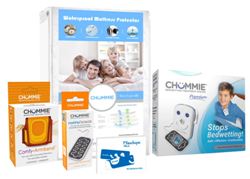
 Our #1 Top SellerIdeal for Daily Use
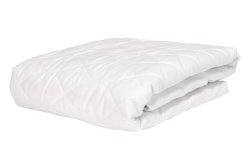
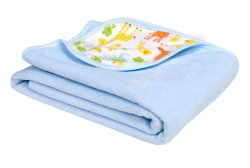 Premium Quality BeddingSoft and Comfortable
 Premium Quality BeddingLarge Urine Absorption
 AFFORDABLE PRICECHANGE DAILY AS NEEDED
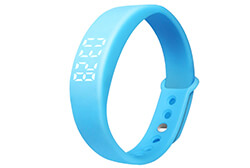 Sleek, Stylish and Affordable Watch
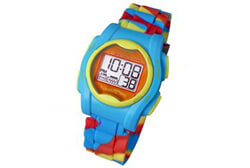 Multi-Function Watch with Numerous Features
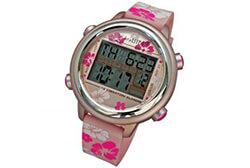 Recommended watch for teens and adults
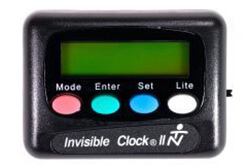 Perfect for medication and other reminders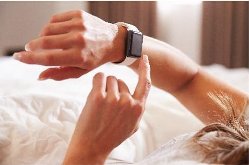






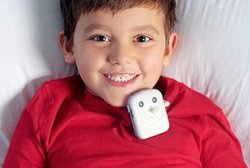





Bedwetting Alarms for Deep Sleepers: What Parents Should Look For
Why Deep Sleepers Present a Unique Challenge
One of the most common concerns parents have is that their child sleeps so deeply that they simply do not wake up when their bladder is full. Deep sleepers often continue sleeping even after wetting has already started, which can make bedwetting seem frustrating and difficult to overcome.
Fortunately, deep sleeping itself is not a problem. In fact, many children who wet the bed are naturally deep sleepers. The challenge lies in helping the brain recognize bladder signals early enough to trigger waking. This is precisely why bedwetting alarms have become one of the most trusted and effective long-term solutions. With proper use and consistency, even deep sleepers can learn to achieve dry nights.
Understanding Why Deep Sleepers Wet the Bed
Parents sometimes believe that deep sleepers are simply impossible to wake. However, bedwetting in deep sleepers is usually caused by delayed communication between the bladder and the brain. During deep stages of sleep, the signal that the bladder is full may not reach the waking mechanism in time. As a result, the child continues sleeping and bedwetting occurs before awakening.
According to the Mayo Clinic, genetics, bladder development, and deep sleep patterns all contribute to bedwetting. The American Academy of Pediatrics also recognizes that bedwetting is a common developmental issue and not something children do intentionally. Understanding this helps parents approach treatment with patience rather than frustration.
How Bedwetting Alarms Help Deep Sleepers
The purpose of a bedwetting alarm is not simply to wake the child after an accident. Instead, the goal is to train the brain to recognize bladder signals before wetting occurs. When moisture is detected, the alarm activates immediately. Over time, the brain learns to associate bladder fullness with waking behavior.
Parents interested in learning more about this conditioning process can explore how bedwetting alarms work and understand why repetition plays such an important role in long-term success. For deep sleepers, consistency and alarm responsiveness are especially important because stronger conditioning is often needed.
Why Alarm Quality Matters for Deep Sleepers
Not all bedwetting alarms perform equally. A delayed response or weak alert can reduce the effectiveness of the conditioning process. Deep sleepers benefit most from systems that provide fast moisture detection and reliable alerts. Immediate activation creates a stronger learning connection between bladder sensations and waking behavior.
Parents should focus on quality, comfort, and consistency rather than choosing the least expensive option. A reliable alarm often makes the difference between success and frustration.
Wearable Bedwetting Alarms Remain Highly Effective
Wearable bedwetting alarms have been used successfully for decades and remain one of the most effective choices for many families. These systems place a moisture sensor close to the source of wetness, allowing extremely fast detection and immediate response.
The Chummie Premium Bedwetting Alarm continues to be one of the most popular options because of its reliable detection and comfortable design. Parents looking for additional flexibility may also consider the Smart Bedwetting Alarm, which offers dependable performance and multiple alert settings. For many deep sleepers, these wearable systems provide excellent results when used consistently.
Some Deep Sleepers Benefit from Stronger Reinforcement
Every child responds differently to alarm therapy. While many children do well with standard wearable systems, others require stronger or more persistent stimulation. The Shield Max Bedwetting Alarm is designed to provide dependable performance for children who need more powerful reinforcement during the conditioning process.
The key is not finding the strongest alarm possible but selecting a system that matches the child’s sleeping habits and comfort level. Deep sleepers often improve gradually, and patience remains one of the most important ingredients for success.
Bedside Systems Offer Another Option
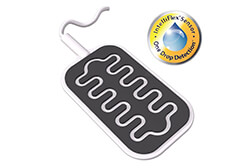
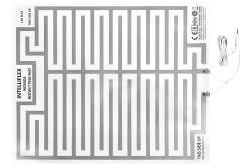
While wearable alarms continue to be highly effective, some children dislike wearing clips or sensors attached to their pajamas. For these families, bedside systems provide an alternative approach. The Guardian Bedside Bedwetting Alarm uses disposable sensor mats rather than wearable clips. This design eliminates the need to attach anything to the child’s clothing and offers excellent comfort and convenience.
Many parents appreciate the hygiene benefits of starting each night with a fresh disposable mat. This can simplify cleanup and reduce maintenance during the early stages of training. Different children respond differently, and having multiple bedwetting alarm options allows families to choose the solution that best fits their needs.
Comfort and Consistency Go Hand in Hand
One reason some families struggle with alarm therapy is resistance from the child. If the child dislikes the device or finds it uncomfortable, consistency becomes difficult. Comfort should never be overlooked when selecting bedwetting alarms. The best system is often the one that the child will happily use every night.
Whether families choose wearable alarms or bedside systems, success depends heavily on regular use. Skipping nights interrupts conditioning and slows progress. The easier the routine, the more likely children are to remain committed to the process.
Deep Sleepers Usually Need More Time
Parents sometimes become discouraged when they do not see immediate improvement. Deep sleepers often require more repetition because the brain takes longer to establish the bladder-waking connection. Early signs of progress may include:
- smaller wet spots
- easier awakening
- fewer accidents
- partial dryness
These improvements indicate that conditioning has already begun. Families should focus on long-term progress rather than expecting perfection during the first few weeks. Consistency and patience frequently lead to dramatic improvement over time.
Pull-Ups Manage Accidents but Do Not Train the Brain
Many parents wonder whether pull-ups are enough for deep sleepers. While pull-ups can make cleanup easier, they do not teach the brain to recognize bladder signals. Alarm therapy focuses on creating a permanent waking response.
Families comparing different treatment approaches may also find Bedwetting Alarm vs Pull-Ups – What Really Works? helpful when deciding between management and conditioning strategies. Understanding the difference helps parents choose solutions that support long-term success rather than simply controlling symptoms.
Mattress Protection Helps Reduce Stress
Accidents are a normal part of the learning process. Parents can reduce stress and simplify cleanup by using waterproof mattress protectors during alarm training. Protecting bedding allows families to focus on progress rather than worrying about nighttime accidents. Creating a supportive environment often improves confidence for both children and parents.
Education Makes the Journey Easier
Bedwetting treatment involves more than simply choosing a device. Parents benefit from understanding sleep patterns, bladder development, and realistic expectations. Families seeking additional information can visit the bedwetting resources center for educational materials and expert guidance.
The more parents understand the process, the easier it becomes to stay patient and consistent.
Final Thoughts: Choosing the Best Bedwetting Alarms for Deep Sleepers
Deep sleepers present unique challenges, but they can absolutely achieve dry nights with the right approach. Today’s bedwetting alarms offer multiple solutions, including wearable systems such as the Chummie Premium, Smart, and Shield Max alarms, as well as bedside systems like the Guardian Bedside Bedwetting Alarm with disposable mats.
Each approach has its own strengths, and no single solution is perfect for every child. What matters most is choosing a comfortable, reliable system and using it consistently. With patience, encouragement, and proper training, deep sleepers can develop lasting nighttime bladder control and enjoy the confidence that comes with dry nights.
Related Articles
Bedwetting Alarms: Wearable vs Bedside Systems—Which Is Right for Your Child?
Do Bedwetting Alarms Really Work? What Perents Should Know
Top Rated Bedwetting Alarms for Kids, Teens and Deep Sleepers