







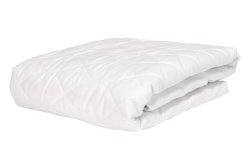
 Our #1 Top SellerIdeal for Daily Use
 Premium Quality BeddingSoft and Comfortable
 Premium Quality BeddingLarge Urine Absorption
 AFFORDABLE PRICECHANGE DAILY AS NEEDED
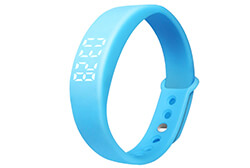 Sleek, Stylish and Affordable Watch
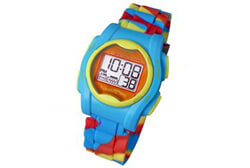 Multi-Function Watch with Numerous Features
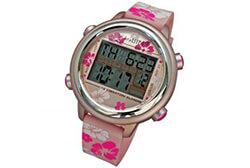 Recommended watch for teens and adults
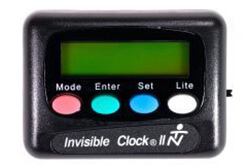 Perfect for medication and other reminders








-
 Select options This product has multiple variants. The options may be chosen on the product page
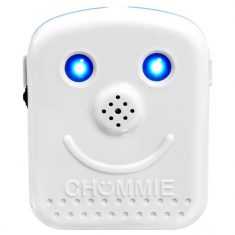
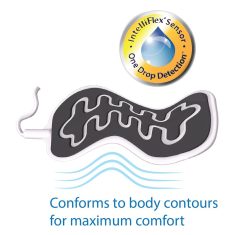
Chummie Premium Bedwetting Alarm
 $99.99
-
 Select options This product has multiple variants. The options may be chosen on the product page
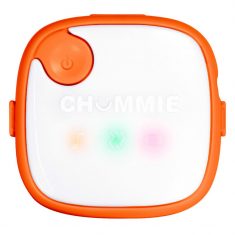
Chummie Elite Bedwetting Alarm
Original price was: $100.00.$69.99Current price is: $69.99.
-
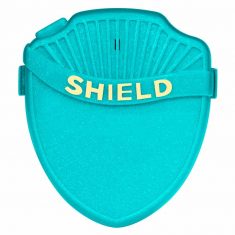
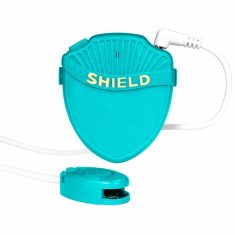 Select options This product has multiple variants. The options may be chosen on the product page
Shield Max Bedwetting Alarm
Original price was: $120.00.$64.99Current price is: $64.99.
-
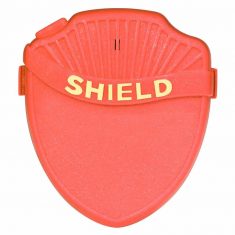
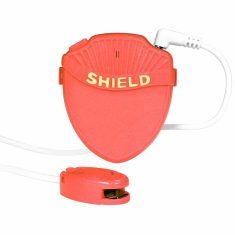 Select options This product has multiple variants. The options may be chosen on the product page
Shield Prime Bedwetting Alarm
Original price was: $100.00.$54.99Current price is: $54.99.
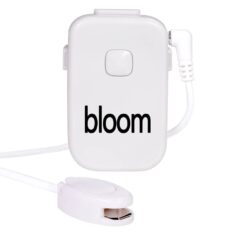

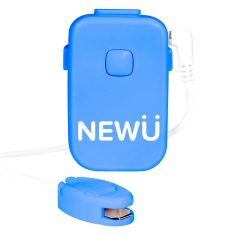


Find the RightBedwetting Alarm
Answer a few quick questions to find the right alarm for your needs.
How Bedwetting Alarms Work
Bedwetting alarms use a moisture sensor to detect the first signs of wetness and immediately activate sound, vibration, or both. Over time, consistent use helps the sleeper learn to recognize bladder signals and wake before wetting occurs, supporting the development of lasting dry nights.
Bedwetting Alarms for Children
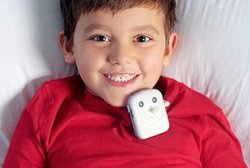
Bedwetting alarms for children are designed to detect moisture as soon as wetting begins and alert the child with sound, vibration, or both. With consistent nightly use, the alarm helps build the connection between bladder signals and waking, gradually encouraging the child to respond before an accident occurs. Wearable alarms are a popular choice for children because they are compact, easy to use, and provide immediate moisture detection. Explore options for different ages, sleep styles, and needs to find the right alarm for your child.
Bedwetting Alarms for Teens
Bedwetting can be especially frustrating for teenagers, affecting sleepovers, travel, camps, and confidence. Bedwetting alarms for teens provide a discreet way to build better nighttime bladder awareness by detecting moisture and alerting the sleeper with sound, vibration, or both. Wearable alarms are compact and easy to use, while different alert settings can help accommodate deeper sleepers. Choosing the right alarm can help teens work toward consistent dry nights with greater independence and privacy.
Bedwetting Alarms for Adults
Bedwetting can continue into adulthood or occur later in life, making privacy, comfort, and reliability especially important. Bedwetting alarms for adults detect moisture quickly and provide sound, vibration, or both to alert the sleeper. Wearable alarms offer discreet nighttime use, while bedside options provide an alternative for those who prefer not to wear a sensor or alarm unit. Choosing the right system can help adults manage nighttime wetting with greater confidence and work toward consistently dry nights.
Bedwetting Alarms for Deep Sleepers
Deep sleepers may need stronger alerts to help them wake as soon as wetting begins. Bedwetting alarms for deep sleepers can provide louder sounds, strong vibration, or a combination of both to make the alert harder to sleep through. Depending on the sleeper, both wearable and bedside alarms can be effective options. Choosing an alarm with the right alert features can help improve nighttime response and support progress toward consistent dry nights.
Types of Bedwetting Alarms
Bedwetting alarms are available in different styles to suit different ages, sleeping habits, and comfort preferences. The two most common types are wearable bedwetting alarms and bedside bedwetting alarms. Both detect moisture and alert the sleeper as soon as wetting begins, but the way they are used is different.
Wearable Bedwetting Alarms
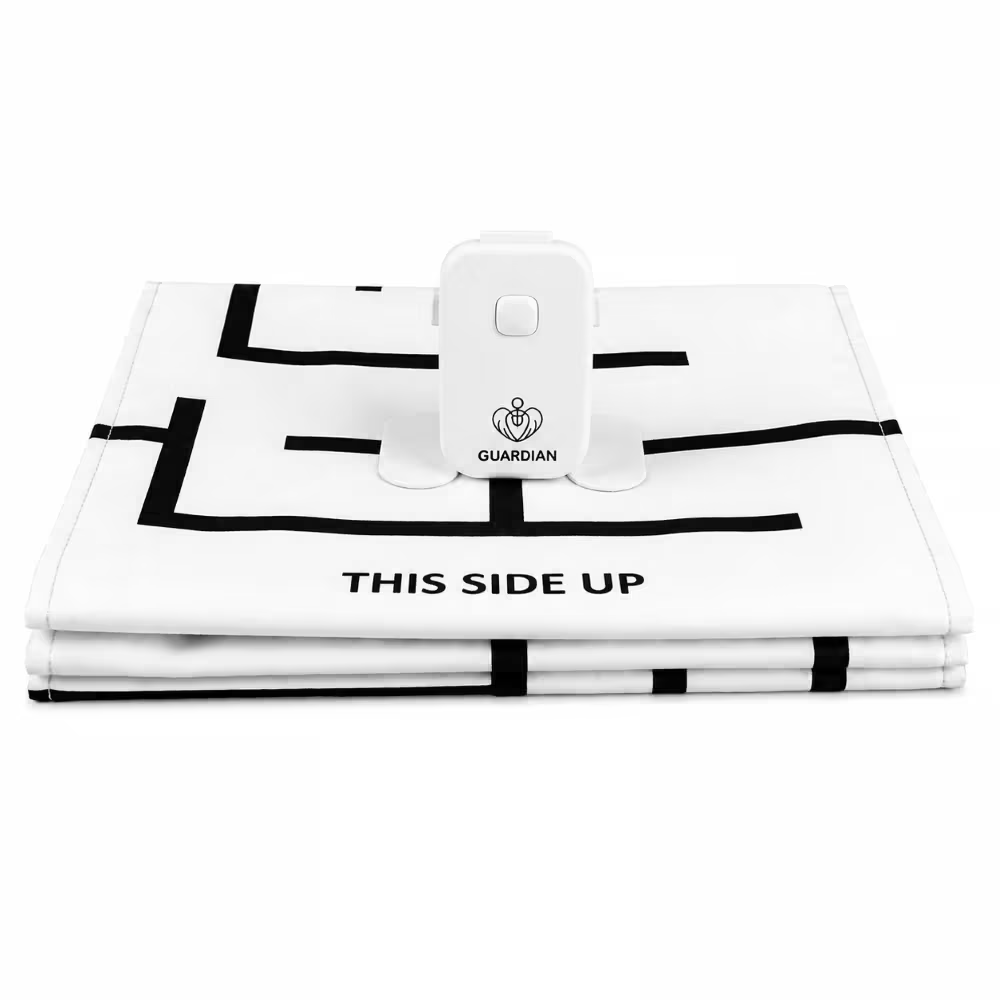
Wearable bedwetting alarms use a small moisture sensor placed near the underwear and an alarm unit attached to the user's sleepwear. Because the sensor detects moisture close to the body, the alarm can respond quickly when wetting begins. Wearable alarms are popular for children, teens, and deep sleepers because they are compact, portable, and easy to use at home or while traveling.
Bedside Bedwetting Alarms
Bedside bedwetting alarms use a moisture-sensitive mat or pad placed beneath the bed sheet rather than a sensor attached to clothing. When moisture reaches the sensing area, the bedside unit activates an alert. These systems are often preferred by teens, adults, and users who want a comfortable non-wearable option while still benefiting from bedwetting alarm training.
How to Choose the Right Bedwetting Alarm
Choosing the right bedwetting alarm depends on the user's age, sleeping habits, comfort preferences, and how easily they wake. Deep sleepers may benefit from louder sounds, stronger vibration, or combination alerts, while younger children may prefer a simple wearable alarm that is easy to set up each night.
Consider whether a wearable or bedside alarm is more comfortable, how the moisture sensor is positioned, the available sound and vibration settings, and how easy the alarm is to reset. The best choice is one that fits naturally into the user's nightly routine and can be used consistently.
Before deciding, you can also consult these bedwetting alarm reviews and comparisons.
Getting the Best Results from a Bedwetting Alarm
Consistency is one of the most important parts of successful bedwetting alarm training. Use the alarm every night, position the moisture sensor correctly, and respond to the alarm as soon as it activates. Younger children and deep sleepers may initially need help from a parent or caregiver to wake fully, turn off the alarm, and use the bathroom.
As nighttime awareness improves, the sleeper should gradually begin responding to the alarm independently. Continue using the bedwetting alarm consistently and track progress rather than expecting immediate results. Every user progresses differently, but a regular nighttime routine gives alarm training the best opportunity to support lasting dry nights.
Bedwetting Alarm FAQs
Do bedwetting alarms really work?
Bedwetting alarms are designed to help the sleeper learn to recognize and respond to a full bladder during sleep. The alarm detects moisture and alerts the user when wetting begins. With consistent nightly use, many users gradually develop better nighttime bladder awareness and work toward dry nights.
How long does a bedwetting alarm take to work?
Every user progresses at a different pace. Some may begin showing improvement within a few weeks, while others need several weeks or months of consistent alarm use. The key is to use the bedwetting alarm every night and continue through periods of gradual progress.
What age is best to start using a bedwetting alarm?
Bedwetting alarms are commonly used with children who are old enough to understand the process and participate consistently in their nighttime routine. Readiness is often more important than a specific age. Teens and adults experiencing nighttime wetting can also use bedwetting alarms.
Which bedwetting alarm is best for deep sleepers?
Deep sleepers may benefit from a bedwetting alarm with loud sounds, strong vibration, or combined sound and vibration alerts. Some users respond better to wearable alarms, while others may prefer a bedside system. The right choice depends on sleeping habits, comfort, and how easily the user responds to an alert.
Should I choose a wearable or bedside bedwetting alarm?
Wearable bedwetting alarms use a moisture sensor positioned close to the body and are compact and portable. Bedside alarms use a moisture-sensitive mat or pad on the bed and do not require the sleeper to wear the alarm system. The better choice depends on age, comfort preferences, sleep habits, and personal needs.
Where should the bedwetting alarm sensor be placed?
Sensor placement depends on the type of alarm. Wearable alarm sensors are generally positioned where they can detect the first signs of moisture quickly, while bedside systems use a sensing mat or pad placed on the bed. Always follow the instructions supplied with the specific bedwetting alarm.
When should I stop using a bedwetting alarm?
Bedwetting alarm training should generally continue beyond the first few dry nights so that the new nighttime response has time to become established. Because progress varies from person to person, follow the instructions for your alarm and consider discussing persistent or recurring bedwetting with a healthcare professional.
"If you are looking for ways on how to stop bedwetting, a bedwetting alarm is the answer. We successfully used the alarm on our 8 year old who stopped wetting in 6 weeks!" - April
"Bedwetting at age 6 can be frustrating for both parent and children. Thankfully our bedwetting alarm addressed the problem from day one and we never looked back. Incredible device." - Stacie
"For all parents of bedwetters, get a bedwetting alarm. it will save you time, money and will boost your child’s self-confidence. Our bedwetting alarm worked well and yours will too." - Gloria

NEED HELP PLACING AN ORDER?
Call us toll free: (800) 230-6775 Mon - Fri 9am-6pm PST. email: [email protected]