




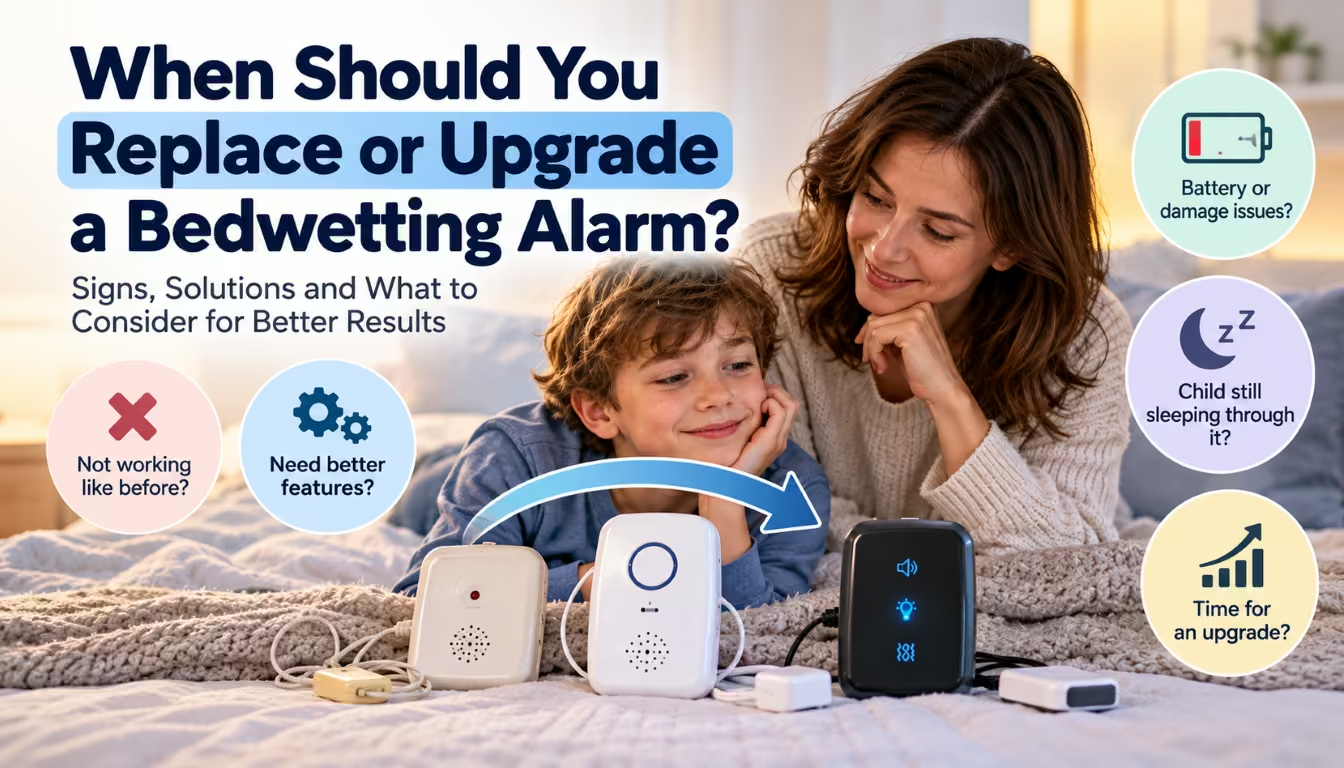
When Should You Replace or Upgrade a Bedwetting Alarm?
Overview
A bedwetting alarm does not need to be replaced just because progress is slow. In many cases, the issue is inconsistent use, poor sensor placement, weak nighttime response, or a mismatch between the alarm style and the sleeper.
However, there are situations where replacing or upgrading the alarm makes sense. A damaged sensor, unreliable alerts, discomfort, difficulty waking a deep sleeper, or changing needs as a child gets older can all be valid reasons to consider a different system.
This guide explains how to tell the difference between a bedwetting alarm that needs more consistent use and one that may genuinely need to be replaced or upgraded.
Introduction
A good bedwetting alarm should be reliable, comfortable enough for nightly use, easy to reset, and capable of waking the sleeper or helping a parent respond quickly.
Over time, however, a system may stop meeting those needs.
Sometimes the problem is mechanical. Sensors can wear out, clips may loosen, wires can become damaged, or batteries may no longer hold a proper charge.
In other cases, the alarm still works but the sleeper’s needs have changed.
A younger child who once responded well to a simple sound alarm may later need vibration or multiple tones. A deep sleeper may benefit from a stronger alert system. A teenager may prefer a more discreet design or a bedside system rather than a wearable sensor.
Before replacing an alarm, it is important to understand whether the current system is actually failing or whether a change in setup, routine, or alarm type could solve the problem.
Table of Contents
- How Long Should a Bedwetting Alarm Last?
- Signs Your Bedwetting Alarm May Need Replacing
- When an Upgrade May Be Better Than a Replacement
- What If the Child Still Sleeps Through the Alarm?
- When Sensor Problems Become a Reason to Replace the Alarm
- Comfort and Wearability Problems
- Wearable vs. Bedside Alarms
- When Age and Changing Needs Matter
- How to Compare a Replacement Alarm
- Should You Buy the Same Alarm Again?
- Frequently Asked Questions
- Final Thoughts
1. How Long Should a Bedwetting Alarm Last?
There is no universal replacement schedule for bedwetting alarms.
A well-built alarm may continue working for years if it is cleaned properly, stored correctly, and handled carefully.
The more important question is whether the system still performs reliably.
A bedwetting alarm should consistently:
- Detect moisture
- Activate when expected
- Produce the correct sound or vibration alert
- Reset properly
- Maintain secure sensor connections
- Remain comfortable enough for nightly use
If those functions are still working correctly, age alone is usually not a reason to replace the alarm.
Families looking at current bedwetting alarms can compare newer models against the one they already own before deciding whether a replacement is necessary.
2. Signs Your Bedwetting Alarm May Need Replacing
Some problems are more important than others.
A replacement may be worth considering if the alarm shows repeated signs of failure such as:
- Delayed moisture detection
- Failure to activate
- Frequent false alarms
- Loose or unreliable sensor connections
- Cracked or damaged wires
- A sensor that no longer clips securely
- Weak sound output
- Weak vibration
- Difficulty resetting the alarm
- Battery or charging problems
If the problem happens repeatedly even after cleaning, battery replacement, and setup checks, the alarm may no longer be reliable enough for continued training.
3. When an Upgrade May Be Better Than a Replacement
Sometimes the existing alarm still works, but it no longer provides the right features.
That is when an upgrade can make sense.
For example, a basic alarm may have been adequate when training began, but the family may later discover that the child is a much deeper sleeper than expected.
A more advanced system may offer:
- Multiple alarm tones
- Stronger vibration
- Bright visual alerts
- Better moisture sensing
- Easier reset controls
- More comfortable sensor placement
- Better suitability for deep sleepers
Families who want to evaluate stronger or more advanced models can review the current best bedwetting alarms and compare which features may be more appropriate.
4. What If the Child Still Sleeps Through the Alarm?
Sleeping through the alarm does not automatically mean the alarm is defective.
Deep sleepers may need parental help during the early stages of alarm training.
However, if the current alarm has limited alert options and the sleeper consistently fails to wake, an upgrade may be worth considering.
A system with sound, vibration, and visual alerts can provide multiple forms of stimulation.
The Chummie Premium bedwetting alarm is one example of a wearable alarm that combines multiple tones with vibration and light alerts.
The key is to determine whether the issue is simply that the child needs more time and assistance, or whether the current alarm is not strong enough for the sleeper.
5. When Sensor Problems Become a Reason to Replace the Alarm
The moisture sensor is one of the most important parts of any bedwetting alarm.
If the sensor does not detect moisture consistently, the rest of the system cannot work properly.
Warning signs include:
- The sensor activates only after significant wetting
- The alarm responds inconsistently
- The clip no longer stays attached
- The sensor requires repeated repositioning
- Cleaning no longer improves performance
- The sensor wire appears damaged
Before replacing the entire system, check whether the manufacturer offers a replacement sensor.
In some cases, replacing a sensor is more practical than replacing the alarm itself.
6. Comfort and Wearability Problems
An alarm can be technically reliable and still be the wrong choice for the sleeper.
Comfort matters because alarm training usually requires consistent use over many nights.
Problems may include:
- A bulky sensor
- An uncomfortable clip
- Wires that interfere with sleep
- An alarm unit that feels too large
- Frequent detachment during movement
- Frustration during setup or reset
If discomfort repeatedly causes the child to resist using the alarm, a different design may be worth considering.
This is one reason families often compare bedwetting alarms before replacing an older system.
7. Wearable vs. Bedside Alarms
A replacement does not always need to be the same type of alarm.
Wearable alarms use a sensor attached to clothing or underwear. They are compact and position the sensor close to the first point of moisture.
Bedside alarms use a moisture-sensitive mat rather than a wearable sensor.
A bedside system may be more appropriate when:
- The sleeper dislikes wearable sensors
- A teenager wants greater comfort or privacy
- Wires or clips repeatedly become detached
- The user prefers a non-wearable setup
Changing from wearable to bedside, or vice versa, can sometimes solve the problem more effectively than buying another version of the same design.
8. When Age and Changing Needs Matter
The best alarm for a seven-year-old may not be the best alarm for a teenager.
Needs can change over time.
Younger children may benefit from:
- Simple controls
- Strong parental involvement
- Easy sensor placement
Older children and teens may care more about:
- Discretion
- Comfort
- Ease of setup
- Privacy
- Stronger or more sophisticated alert options
Adults may prioritize reliability, comfort, and a design that fits easily into an established nighttime routine.
This means an alarm can still function correctly but no longer be the best fit for the user.
9. How to Compare a Replacement Alarm
Before replacing a bedwetting alarm, compare the most important features rather than choosing based only on price.
Look at:
Moisture Detection
How quickly and consistently does the sensor respond?
Alert Options
Does the alarm use sound, vibration, light, or a combination?
Deep-Sleeper Suitability
Are the alerts strong and varied enough for someone who sleeps deeply?
Comfort
Is the sensor small, secure, and comfortable?
Ease of Use
How easy is the system to set up, reset, clean, and use during the night?
Reliability
Does the product have a strong record for consistent nighttime performance?
Ongoing Costs
Does the system require replacement mats, sensors, batteries, or other supplies?
A detailed bedwetting alarm comparison can make these differences easier to evaluate.
10. Should You Buy the Same Alarm Again?
Sometimes, yes.
If the existing alarm worked well, was comfortable, and helped the sleeper make progress before it became damaged or worn, buying the same model again may be perfectly reasonable.
There is no need to change systems simply because a newer model exists.
However, if the sleeper repeatedly struggled with the alarm, replacing it with the same product may reproduce the same problems.
Before buying again, ask:
- Did the sleeper wake reliably?
- Was the sensor comfortable?
- Did the alarm detect moisture quickly?
- Was the system easy to reset?
- Did the child resist using it?
- Have the sleeper’s needs changed?
If the answers reveal a mismatch, an upgrade may be more useful than a simple replacement.
Families who want to review several alternatives can browse bedwetting alarm reviews before choosing a replacement.
For broader information about nighttime training and treatment approaches, StopBedwetting.com also provides additional bedwetting guidance.
Frequently Asked Questions
How do I know if my bedwetting alarm is broken?
Repeated failure to activate, delayed moisture detection, weak alerts, damaged wires, unreliable sensors, or reset problems can indicate a mechanical issue. Always test the system and check the battery, sensor, and connections before replacing it.
Should I replace a bedwetting alarm if my child sleeps through it?
Not immediately. Deep sleepers may need parental assistance at first. However, if the current alarm has limited alert options and the child consistently sleeps through it, a stronger system may be worth considering.
How often should a bedwetting alarm be replaced?
There is no fixed replacement schedule. Replace the alarm when it becomes unreliable, damaged, uncomfortable, or no longer suitable for the sleeper’s needs.
Can I replace only the moisture sensor?
Often, yes. Some manufacturers sell replacement sensors separately. If the alarm unit works correctly and the sensor is the only problem, replacing the sensor may be more economical.
Is a newer alarm always better?
No. Newer models may have additional features, but the best choice depends on the sleeper. A reliable, comfortable system that works consistently may be better than a more complicated alarm with unnecessary features.
When should I switch from a wearable to a bedside alarm?
A bedside alarm may make sense if the sleeper dislikes wearing a sensor, repeatedly removes it during sleep, finds wires uncomfortable, or prefers a less intrusive setup.
Should I compare alarms before replacing one?
Yes. Comparing sensor style, sound, vibration, comfort, reliability, and ease of use can help prevent repeating the same problems with the next alarm.
Final Thoughts
A bedwetting alarm does not need to be replaced simply because dry nights have not happened yet.
Before changing systems, first check the basics: sensor placement, battery or power, connections, nighttime routine, and whether the child is actually waking and responding when the alarm activates.
Replacement becomes more reasonable when the current alarm is unreliable, damaged, uncomfortable, difficult to use, or no longer suited to the sleeper.
An upgrade may be especially helpful when a deep sleeper needs stronger alerts, when a wearable sensor creates ongoing discomfort, or when the user’s needs have changed with age.
Families who want to compare available options can start with One Stop Bedwetting’s complete selection of bedwetting alarms, review the best bedwetting alarms, or use the bedwetting alarm comparison guide before choosing a replacement.
Related Articles
Best Bedwetting Alarms for Kids, Teens & Deep Sleepers: Complete Buyer’s Guide
Bedwetting Alarms for Deep Sleepers: What Parents Should Look For
Bedwetting Alarms: Wearable vs Bedside Systems—Which Is Right for Your Child?