







 Our #1 Top SellerIdeal for Daily Use
 Premium Quality BeddingSoft and Comfortable
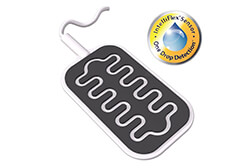
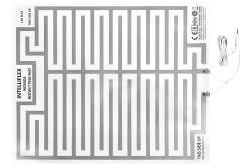
 Premium Quality BeddingLarge Urine Absorption
 AFFORDABLE PRICECHANGE DAILY AS NEEDED
 Sleek, Stylish and Affordable Watch
 Multi-Function Watch with Numerous Features
 Recommended watch for teens and adults
 Perfect for medication and other reminders













Do Bedwetting Alarms Really Work? What Perents Should Know
Why Parents Question Bedwetting Alarms
When parents first hear about bedwetting alarms, many are skeptical. The idea that a small device can help stop years of nighttime accidents often sounds too simple to be true. Some families wonder whether alarms actually work, while others fear the process may be stressful or ineffective for deep sleepers.
The reality is that bedwetting alarms are considered one of the most effective long-term solutions for nighttime wetting because they address the root cause instead of temporarily masking symptoms.
Unlike approaches that rely only on limiting fluids or waking a child manually, bedwetting alarms help train the brain to respond naturally to bladder signals during sleep. Over time, this conditioning process helps many children achieve consistent dry nights.
The Science Behind Bedwetting Alarm Training
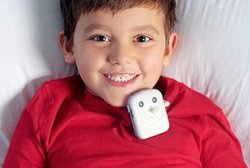
Bedwetting alarms work through a process called conditioning. When moisture is detected, the alarm immediately triggers sound, vibration, or both. This interruption teaches the brain to associate bladder fullness with waking behavior.
Over repeated nights, the brain gradually develops a stronger connection between the bladder and the waking response. Eventually, many children begin waking before wetting occurs.
This is why parents searching for effective bedwetting alarms should understand that the goal is long-term neurological learning rather than instant results.
For a more detailed explanation of the conditioning process, families can also learn more about how bedwetting alarms work and why consistency is critical during training.
Why Bedwetting Happens in the First Place
Many parents mistakenly believe bedwetting happens because a child is lazy or sleeping too comfortably. In reality, bedwetting is usually connected to delayed nighttime bladder control, deep sleep patterns, or slower communication between the bladder and brain.
According to the Mayo Clinic, bedwetting is common among children and is often linked to developmental timing, genetics, and sleep responsiveness. The American Academy of Pediatrics also notes that many children simply develop nighttime dryness later than others.
Understanding this is important because it changes how families approach treatment. Bedwetting is not typically a behavioral issue. It is a developmental process that often responds well to proper conditioning methods.
Why Bedwetting Alarms Are Recommended by Experts
Many medical professionals recommend alarm therapy because it focuses on long-term improvement instead of temporary symptom control.
Unlike medications that may stop working once discontinued, a properly used bedwetting alarm teaches the brain a repeatable response pattern. Once the conditioning process becomes automatic, many children maintain dryness even after alarm training ends.
This long-term success is why alarm therapy continues to be one of the most trusted treatment approaches for persistent bedwetting.
Parents exploring different options often begin with reliable systems such as the Chummie Premium Bedwetting Alarm, which combines fast moisture detection with consistent nighttime alerts.
Why Some Families Think Bedwetting Alarms “Do Not Work”
In many cases, the problem is not the alarm itself but how the system is used. Families sometimes stop treatment too early because they expect immediate results after only a few nights.
Bedwetting alarm therapy requires repetition and consistency. The brain needs time to develop the bladder-waking connection, especially for deep sleepers.
Another common issue is failing to fully wake the child when the alarm activates. If the child turns off the alarm while half asleep, the brain may not properly register the learning event.
Poor-quality alarms can also reduce effectiveness. Delayed moisture detection weakens the conditioning process because the response happens too late.
Families interested in understanding why some systems produce faster results can also read Why Some Bedwetting Alarms Work Faster Than Others, which explains the importance of response speed and alarm quality.
Why Alarm Quality Matters
Not all alarms are equally effective. The best systems focus on fast detection, strong alerts, comfort, and reliable nighttime performance.
A high-quality alarm activates quickly at the earliest stage of wetting, creating a stronger conditioning effect. Consistent response is especially important for deep sleepers because weaker systems may fail to interrupt the sleep cycle effectively.
The Smart Bedwetting Alarm is designed for families looking for responsive detection and flexible alert options. For children who require stronger reinforcement, the Shield Max Bedwetting Alarm offers dependable nighttime responsiveness and consistent moisture detection.
Choosing the right system based on the child’s sleep behavior significantly improves the chances of long-term success.
How Long Does It Take for Bedwetting Alarms to Work?
Most families begin noticing improvement within several weeks of consistent use, although the timeline varies depending on the child’s sleep depth and responsiveness.
In the beginning, the alarm may trigger frequently while the brain is still learning the new pattern. Over time, many children begin waking earlier, producing smaller wet spots, or experiencing fewer accidents overall.
Eventually, the brain begins recognizing bladder signals before wetting occurs.
Progress is rarely perfectly linear. Some nights may still include accidents even after improvement begins. What matters most is long-term progress and consistency rather than immediate perfection.
Parents who remain patient throughout the conditioning process typically experience better outcomes than those who stop after only partial improvement.
Supporting the Training Process at Home
Successful bedwetting alarm training depends not only on the device itself but also on the environment surrounding the process.
Parents should focus on encouragement rather than punishment. Shame and frustration can increase anxiety, which may actually slow progress.
Practical tools can also make the process easier for families. Using waterproof mattress protectors helps reduce stress during nighttime accidents while protecting bedding throughout the training process.
Families looking for additional support and educational guidance can also explore the bedwetting resources center, which provides information on treatment approaches, routines, and long-term success strategies.
Do Bedwetting Alarms Work for Deep Sleepers?
Yes, but deep sleepers often require stronger conditioning because their brains are less responsive during certain stages of sleep.
This is why fast detection and strong alerts become especially important. A delayed or weak alarm may fail to wake the child fully, reducing the effectiveness of the training cycle.
Many deep sleepers improve successfully when families remain consistent and use a high-quality alarm designed for reliable nighttime activation.
Parents should remember that deep sleeping is one of the most common reasons bedwetting persists longer in some children and does not mean the process cannot be improved.
Final Thoughts: Do Bedwetting Alarms Really Work?
For many families, the answer is yes. Bedwetting alarms remain one of the most effective long-term approaches because they train the brain to respond naturally to bladder signals during sleep.
Success depends on several important factors:
- consistency
- proper usage
- full waking during alarms
- high-quality alarm performance
- patience throughout the conditioning process
While results vary between children, families who commit to consistent training often see meaningful long-term improvement and increased confidence over time.
The key is understanding that bedwetting alarm therapy is not an instant fix. It is a gradual learning process that helps the brain develop lasting nighttime control.
Related Articles
Top Rated Bedwetting Alarms for Kids, Teens and Deep Sleepers