







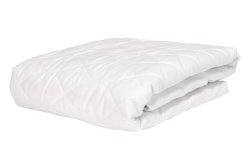
 Our #1 Top SellerIdeal for Daily Use
 Premium Quality BeddingSoft and Comfortable
 Premium Quality BeddingLarge Urine Absorption
 AFFORDABLE PRICECHANGE DAILY AS NEEDED
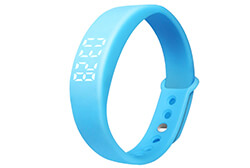 Sleek, Stylish and Affordable Watch
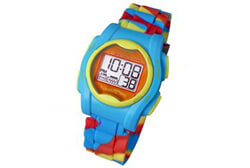 Multi-Function Watch with Numerous Features
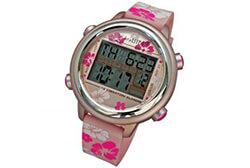 Recommended watch for teens and adults
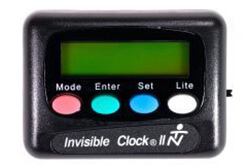 Perfect for medication and other reminders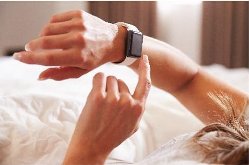





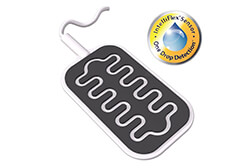
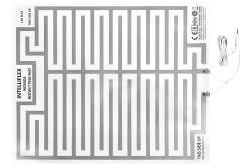







Bedwetting Alarms

Best Bedwetting Alarms for Special Needs
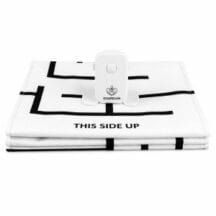
GUARDIAN BEDSIDE BEDWETTING ALARM
MOST COMFORTABLE
Just works! My kid is out of bedwetting.
$149.99
 Children
 Play Alert Tones
 Why buy from us
 LARGE SELECTION
 EFFECTIVE ALARMS
 FAST SHIPPING
 SPECIALIST SUPPORT
CHUMMIE PRO BEDSIDE BEDWETTING ALARM
BEST SELLING
The results are amazing. I'd definitely recommend it.
$94.99
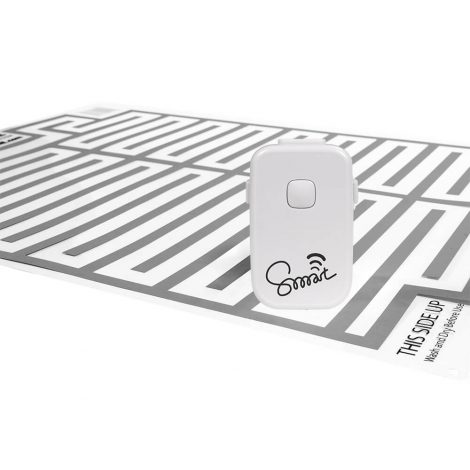
SMART BEDSIDE BEDWETTING ALARM
ALSO RECOMMENDED
Well worth the money spent. It works like a charm.
$99.99
Why buy from One Stop Bedwetting?
Choosing a Bedwetting Alarm for Special Needs
Choosing a bedwetting alarm for a person with special needs requires considering sensory preferences, communication abilities, mobility, comfort, sleep depth, and the level of caregiver assistance available. A bedside alarm uses a moisture-sensing mat and does not require a sensor to be attached to clothing, which may be more comfortable for some users. Alert type, sensing-mat placement, ease of cleaning, and caregiver access should be evaluated according to individual needs. Explore our complete selection of bedwetting alarms or continue below to compare important features and support considerations.
How Bedwetting Alarms Can Help People with Special Needs
A bedwetting alarm detects moisture as nighttime wetting begins and activates an immediate alert. Depending on the individual’s abilities, the alert may encourage independent waking or notify a caregiver that assistance is needed. With consistent use, the alarm can become part of a structured nighttime routine based on the user’s communication, mobility, and support needs.
- Detects moisture at the beginning of a nighttime wetting episode
- Alerts the user, caregiver, or both when wetting begins
- Supports a more consistent and structured nighttime routine
- Can be adapted according to individual abilities and assistance needs
Choosing the Right Alarm for Individual Needs
The right alarm should be selected according to the user’s comfort, sensory preferences, communication abilities, mobility, and level of caregiver involvement. A bedside system may be preferable for someone who finds a clothing sensor uncomfortable or difficult to manage. The alert type, sensing-mat size, controls, and maintenance requirements should also be considered.
- Consider sensitivity to sound, vibration, touch, and light
- Compare wearable and bedside systems based on comfort
- Choose controls that the user or caregiver can operate easily
- Consider mobility and the level of assistance required at night
Bedwetting Alarms and Caregiver Assistance
Some people with special needs may require a caregiver to respond when the alarm activates. The caregiver may need to help the user wake, use the bathroom, change bedding, and reset the system. Positioning the alarm where both the user and caregiver can detect it can make the nighttime routine easier to manage.
- Determine who will respond when the alarm activates
- Place the alarm where the caregiver can hear or detect it
- Prepare replacement mats, clothing, and bedding before bedtime
- Encourage independent participation whenever appropriate
Bedwetting Alarm Success Tips for Special Needs
A simple and predictable routine can make bedwetting alarm use more manageable. Introduce the alarm gradually, explain or demonstrate what happens when it activates, and use it consistently when it is comfortable and appropriate for the individual. Progress should be evaluated according to personal abilities rather than comparison with other users.
- Practice the nighttime response routine before beginning
- Check the alarm and sensing mat before sleep each night
- Use calm, consistent assistance when the alarm activates
- Recognize progress based on the individual’s abilities and goals
Bedwetting Alarm FAQs for Special Needs
What is the best bedwetting alarm for someone with special needs?
The best alarm depends on the individual’s sensory preferences, mobility, communication abilities, sleep depth, and level of caregiver support. A bedside alarm may be appropriate for someone who does not tolerate or cannot independently manage a wearable sensor.
Can people with special needs use bedwetting alarms?
Bedwetting alarms may be used by some people with special needs, but the routine should be adapted to the individual’s abilities and comfort. Some users may respond independently, while others may require a caregiver to respond whenever the alarm activates.
Is a bedside alarm better than a wearable alarm for special needs?
A bedside alarm may be more comfortable for users who are sensitive to clothing attachments or cannot manage a wearable sensor. A wearable system may still suit individuals who tolerate the sensor and prefer moisture detection close to the body.
What if the user is sensitive to loud sounds?
Review the alarm’s available sound, vibration, and combination settings before use. If the user is sensitive to loud alerts, select the most appropriate mode and introduce the alarm gradually. Comfort and safety should take priority over using the strongest alert.
What if the person does not understand the alarm?
A caregiver can demonstrate the alarm during the day and practice the expected response in simple steps. Visual instructions, repetition, and a consistent routine may help, but the approach should be adapted to the individual’s communication and learning abilities.
Can a bedwetting alarm notify a caregiver?
A caregiver may be able to hear a bedside alarm or an alarm positioned nearby. The system should be tested before nighttime use to confirm that the caregiver can detect it reliably from the intended sleeping location.
How should a caregiver respond when the alarm activates?
The caregiver may need to help the user wake, use the bathroom, change clothing or bedding, and reset the alarm. Assistance should remain calm, respectful, and consistent while encouraging as much participation as the individual can comfortably manage.
How often should the alarm be used?
The alarm should generally be used consistently according to the manufacturer’s instructions and the individual’s care plan. If it causes significant distress, disrupts necessary sleep, or cannot be used safely, discuss the situation with an appropriate healthcare professional.
How can progress be measured?
Progress may include smaller wet areas, fewer wet nights, quicker caregiver response, greater participation in the routine, or increased awareness when the alarm activates. Goals should reflect the individual’s abilities and support needs.
When should bedwetting be discussed with a healthcare professional?
Consult a healthcare professional when bedwetting is new, worsening, associated with daytime symptoms, pain, constipation, unusual thirst, medication changes, sleep problems, or other health concerns. Professional guidance may also be appropriate before beginning alarm training for someone with complex medical, developmental, or mobility needs.
"My son refused to wear wires on his body and we purchased a bedside bedwetting alarm. It worked very well. He hasn’t stopped bedwetting yet, but its working slowly." - Anatole
"My daughter was bedwetting 2-3 times a night till I got an alarm for her. Now she wakes up at night and uses the bathroom on her own. She hasn’t wet the bed in months." - Sammy
"I am delighted that I purchased the right bedwetting alarm for my son. Choosing was easy and painless. My child has improved self-confidence and is smiling more often." - Sunny

NEED HELP PLACING AN ORDER?
Call us toll free: (800) 230-6775 Mon - Fri 9am-6pm PST. email: [email protected]