







 Our #1 Top SellerIdeal for Daily Use
 Premium Quality BeddingSoft and Comfortable
 Premium Quality BeddingLarge Urine Absorption
 AFFORDABLE PRICECHANGE DAILY AS NEEDED
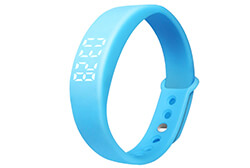 Sleek, Stylish and Affordable Watch
 Multi-Function Watch with Numerous Features
 Recommended watch for teens and adults
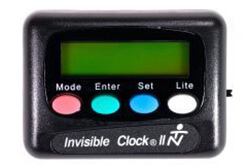 Perfect for medication and other reminders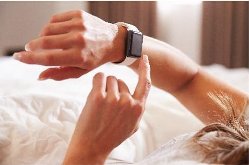






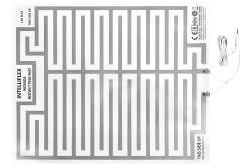


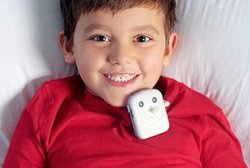




The Three-Step Bedwetting Alarm Process
1. Detects Moisture
The moisture sensor detects the first signs of urine as bedwetting begins. Wearable sensors are positioned on sleepwear, while bedside systems detect wetness through a sensing mat placed on the bed.2. Activates the Alarm
The sensor immediately triggers sound, vibration, light or combination alerts. The user should wake fully, turn off the alarm and finish urinating in the bathroom.3. Builds a Nighttime Response
Consistent use helps the sleeper begin responding earlier to bladder signals. Over time, many users learn to wake before wetting occurs or remain dry throughout the night.


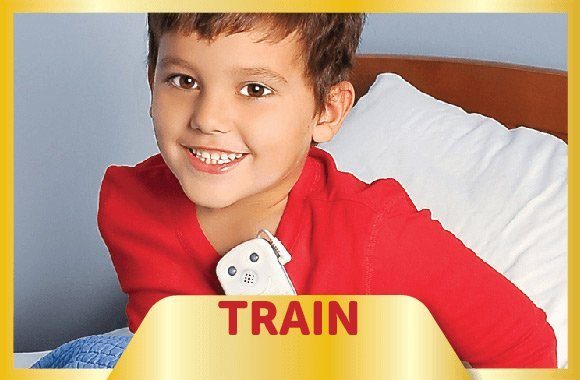

Find the Right Bedwetting Alarm
Answer four quick questions to receive a suitable alarm recommendation.
What Happens When a Bedwetting Alarm Sounds?
When moisture activates the alarm, the user should wake fully, turn off the alarm and finish urinating in the bathroom. The sensor should then be cleaned or replaced, the alarm reset and any wet clothing or bedding changed before returning to sleep.
Deep sleepers may not initially wake without assistance. During the early stages of training, a parent or caregiver may need to respond to the alarm, wake the user completely and guide them through the nighttime routine.
How Wearable and Bedside Bedwetting Alarms Work
Wearable Bedwetting Alarms
A wearable alarm uses a moisture sensor attached to the user’s underwear or sleepwear. The sensor detects wetness close to the body and immediately activates the alarm unit, which is usually attached near the shoulder or worn on an armband.
Bedside Bedwetting Alarms
A bedside alarm uses a moisture-sensing mat positioned on the bed. When wetness reaches the mat, the connected alarm unit activates. This design can be helpful for users who prefer not to attach a sensor to their clothing.
Learn more about the different types of bedwetting alarms and how to choose between wearable and bedside systems.
How Bedwetting Alarm Training Works Over Time
A bedwetting alarm does more than signal that wetting has occurred. Its purpose is to repeatedly connect the beginning of urination with waking and using the bathroom. This learning process is commonly called alarm conditioning.
At first, the alarm may sound after wetting has already begun, and a parent may need to help the sleeper wake. With consistent use, the user may begin waking sooner, releasing less urine before responding and eventually recognizing bladder signals before the alarm activates.
Progress is usually gradual and differs from person to person. The alarm should be used every night according to its instructions, with encouragement and appropriate assistance rather than punishment or embarrassment.
Bedwetting Alarm Sounds, Vibration and Lights
Bedwetting alarms use different alert combinations to wake the user when moisture is detected. The most suitable alert depends on sleep depth, sensory preferences, privacy needs and whether a parent or caregiver must also hear the alarm.
Sound Alerts
Sound is the most common alert. Some alarms provide one tone, while others offer multiple or changing tones that may help prevent the sleeper from becoming accustomed to a single sound.
Vibration Alerts
Vibration adds physical stimulation and can be valuable for deep sleepers. A vibration-only setting may also provide greater discretion during travel, camps or sleepovers.
Light Alerts
Bright or flashing lights provide a visual signal and usually work best when combined with sound or vibration rather than used as the only alert.
The Role of Parents and Caregivers
Many children and deep sleepers do not wake independently when the alarm first activates. During the early stages of training, a parent or caregiver may need to hear the alarm, wake the user fully and guide them to the bathroom.
The user should be awake enough to turn off the alarm, finish urinating, change wet clothing or bedding and reset the system. Simply switching off the alarm while the sleeper remains in bed does not reinforce the intended nighttime response.
As the user begins responding more consistently, parental assistance can gradually decrease. Encouragement, patience and praise for following the routine are more helpful than criticism or punishment after a wet night.
How to Use a Bedwetting Alarm Correctly
1. Position the Sensor Properly
Place a wearable sensor where the first drops of urine are most likely to occur. Position a bedside sensing mat according to the manufacturer’s instructions and make sure it remains secure throughout the night.
2. Test the Alarm Before Bedtime
Test the moisture sensor, alarm sound, vibration and batteries before beginning treatment. The user should also practise turning off and resetting the alarm while fully awake.
3. Follow the Complete Routine
When the alarm activates, wake completely, turn it off, finish urinating in the bathroom, clean or replace the sensor and reset the system before returning to bed.
4. Use the Alarm Every Night
Consistent nightly use helps reinforce the connection between bladder signals, waking and using the bathroom. Follow the manufacturer’s directions and record progress when helpful.
How Long Does Bedwetting Alarm Training Take?
Bedwetting alarm training usually requires consistent nightly use over several weeks or longer. Some users begin responding quickly, while deep sleepers and those who wet the bed frequently may require additional time and parental assistance.
Early progress may include smaller wet spots, waking sooner after the alarm sounds, fewer wet nights or independently resetting the alarm. These changes can indicate that the user is beginning to respond even before consistently dry nights occur.
Avoid stopping after only a few difficult nights. Follow the alarm manufacturer’s instructions and continue until a stable pattern of dry nights has developed. Speak with a healthcare professional if bedwetting begins suddenly, is accompanied by pain or daytime symptoms, or causes other health concerns.
For a broader comparison of wearable, bedside and deep-sleeper systems, explore this complete guide to bedwetting alarms.
Common Bedwetting Alarm Mistakes
Incorrect Sensor Placement
A wearable sensor positioned too far from the expected point of wetness may respond slowly. Bedside mats should also be positioned and secured according to the manufacturer’s directions.
Using the Alarm Inconsistently
Skipping nights can interrupt the learning routine. Use the alarm consistently unless a healthcare professional or the manufacturer recommends otherwise.
Turning It Off Without Waking
The user should wake completely, use the bathroom and reset the alarm. A parent may need to assist deep sleepers during the beginning of treatment.
Giving Up Too Soon
Progress is often gradual. Smaller wet spots, earlier waking and fewer wet nights may indicate improvement even before consistent dryness is achieved.
Who Can Use a Bedwetting Alarm?
Bedwetting Alarms for Children
Bedwetting alarms are commonly used by children who are developmentally ready to participate in nighttime training. Parents should explain the routine, practise using the alarm and provide assistance when needed.
Bedwetting Alarms for Teenagers
Teenagers may prefer compact wearable alarms with discreet settings or comfortable bedside systems. Privacy, independence and involving the teenager in choosing the alarm can support consistent use.
Adult Bedwetting Alarms
Adults can use wearable or bedside alarms depending on comfort, mobility and individual needs. New or recurring adult bedwetting should be discussed with a healthcare professional to identify possible underlying causes.
Bedwetting Alarms for Deep Sleepers
Deep sleepers may benefit from alarms combining loud sounds, strong vibration and bright lights. A parent or caregiver may initially need to help the user wake fully and complete the nighttime routine.
Frequently Asked Questions About Bedwetting Alarms
How does a bedwetting alarm detect urine?
A moisture sensor detects wetness as urination begins and sends a signal to the alarm unit. The alarm then activates sound, vibration, light or a combination of alerts.
Does a bedwetting alarm wake the child immediately?
Some children wake immediately, while deep sleepers may initially require help from a parent or caregiver. The ability to respond often improves with consistent training.
How long does a bedwetting alarm take to work?
Training commonly requires several weeks or longer. Progress varies depending on sleep depth, wetting frequency, consistent use and the amount of nighttime assistance provided.
Do bedwetting alarms work for deep sleepers?
Deep sleepers may benefit from alarms combining loud sounds, strong vibration and bright lights. A parent may initially need to help the user wake completely.
What is the difference between wearable and bedside alarms?
Wearable alarms use a sensor attached to sleepwear and detect wetness close to the body. Bedside alarms use a sensing mat placed on the bed and require nothing to be attached to clothing.
Where should a wearable moisture sensor be positioned?
The sensor should be placed where the first drops of urine are most likely to occur. Always follow the manufacturer’s instructions because placement differs by sensor design.
Should parents wake their child when the alarm sounds?
Yes, if the child does not wake independently. The child should wake fully, use the bathroom and participate in cleaning and resetting the alarm according to their age and ability.
Should a bedwetting alarm be used every night?
Consistent nightly use generally supports the training process. Skipping nights may make it harder to establish a reliable response to bladder signals.
When should someone stop using a bedwetting alarm?
Follow the manufacturer’s guidance and continue until a stable pattern of dry nights has developed. Avoid stopping simply because the first several nights are difficult.
When should bedwetting be discussed with a doctor?
Seek medical guidance if bedwetting begins suddenly, returns after a long dry period, occurs with pain or daytime symptoms, or raises concerns about the user’s overall health.
Explore Bedwetting Alarm Solutions
Understanding how alarms work is the first step toward selecting the right system. Compare our complete collection of bedwetting alarms or learn more about the different types of bedwetting alarms.
- Bedwetting Alarms for Children – Explore comfortable, easy-to-use alarms for younger users.
- Bedwetting Alarms for Teens – Compare discreet wearable and bedside solutions for teenagers.
- Adult Bedwetting Alarms – Find comfortable alarm systems designed for adult users.
- Alarms for Deep Sleepers – Learn about alarms with sound, vibration and combination alerts.
- Alarms for Special Needs – Explore options based on comfort, assistance and nighttime routines.