Frequently Asked Questions About Bedwetting Alarm Types
What are the main types of bedwetting alarms?
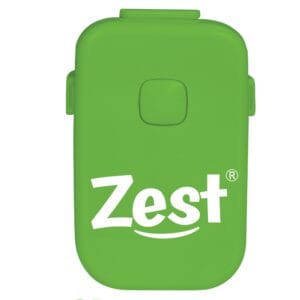
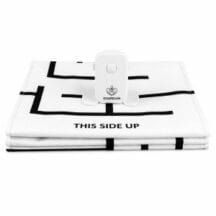
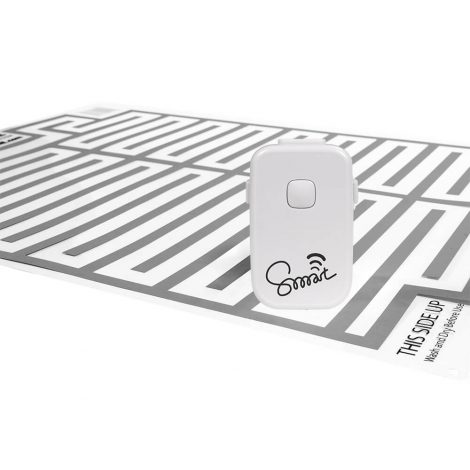
The two main types are wearable alarms and bedside alarms. Wearable alarms use a sensor attached to sleepwear, while bedside alarms detect moisture through a sensing mat placed on the bed.
What is the difference between wearable and bedside alarms?
Wearable alarms detect moisture close to the body and are compact and portable. Bedside alarms use a larger sensing mat and allow the user to sleep without attaching a moisture sensor to clothing.
Which type of bedwetting alarm is best for children?
Wearable alarms are commonly used for children because they provide quick moisture detection and are easy to carry. The best choice depends on the child’s comfort, sleep depth, and ability to respond to the alarm.
Which type is better for teenagers and adults?
Teenagers and adults can use either type. Wearable alarms offer portability and discreet settings, while bedside alarms may be preferred by users who do not want a sensor attached to their sleepwear.
What type of alarm is best for deep sleepers?
Deep sleepers often benefit from an alarm that combines loud sound, strong vibration, and bright lights. Parents or caregivers may initially need to help the user wake fully when the alarm activates.
Are vibration alarms effective?
Vibration can provide valuable additional stimulation, especially for deep sleepers. Combination alarms that use vibration together with sound are generally more noticeable than vibration alone.
How does a wearable moisture sensor work?
The sensor is positioned on the user’s underwear or sleepwear near the expected point of wetness. It detects moisture as bedwetting begins and immediately activates the connected alarm unit.
How does a bedside sensing mat work?
The sensing mat is positioned on the bed according to the manufacturer’s instructions. When moisture reaches the mat, it sends a signal to the alarm unit, which activates the selected alerts.
Are bedside alarms suitable for people with special needs?
Bedside alarms can be a comfortable option for people with special needs because nothing needs to be attached to clothing. A caregiver can also help with setup and respond when the alarm activates.
How do I choose the right bedwetting alarm?
Consider the user’s age, sleep depth, comfort, mobility, sensory preferences, and need for caregiver support. The alarm should be comfortable enough to use consistently every night.






 Children
 Play Alert Tones
 Why buy from us
 LARGE SELECTION
 EFFECTIVE ALARMS
 FAST SHIPPING
 SPECIALIST SUPPORT