







 Our #1 Top SellerIdeal for Daily Use
 Premium Quality BeddingSoft and Comfortable
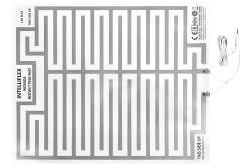
 Premium Quality BeddingLarge Urine Absorption
 AFFORDABLE PRICECHANGE DAILY AS NEEDED
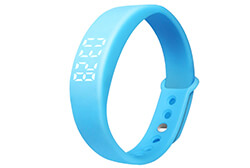 Sleek, Stylish and Affordable Watch
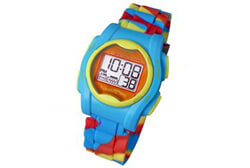 Multi-Function Watch with Numerous Features
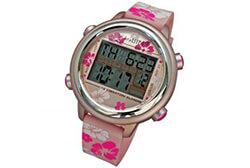 Recommended watch for teens and adults
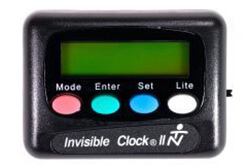 Perfect for medication and other reminders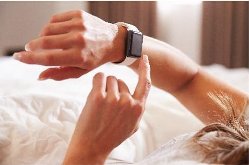








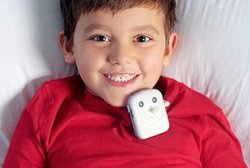





Bedwetting Alarms

Best Bedwetting Alarms for Children
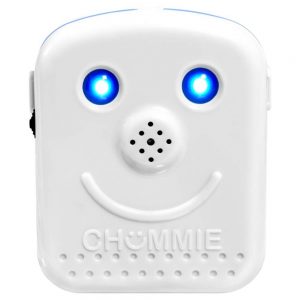
CHUMMIE PREMIUM BEDWETTING ALARM
BEST SELLING
An excellent purchase! It gets 2 thumbs up from me!!
$99.99
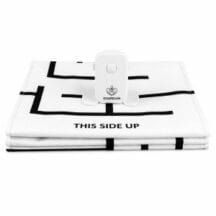
GUARDIAN BEDSIDE BEDWETTING ALARM
MOST COMFORTABLE
Just works! My kid is out of bedwetting.
$149.99

SHIELD MAX BEDWETTING ALARM
MOST CONVENIENT
Highly recommend to stop nighttime bedwetting accidents.
$64.99
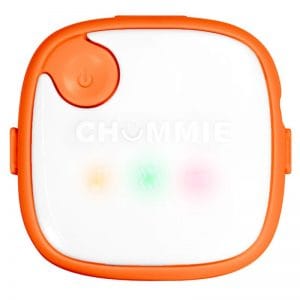
CHUMMIE ELITE BEDWETTING ALARM
SUPERIOR PERFORMANCE
An excellent purchase! It gets 2 thumbs up from me!!
$69.99


BLOOM BEDWETTING ALARM
VERY EFFECTIVE
The results are amazing. I'd definitely recommend it.
$94.99

Why buy from One Stop Bedwetting?
Choosing a Bedwetting Alarm for Your Child
Every child is different, and the right bedwetting alarm should match their age, sleep habits, and comfort needs. Some children do well with a simple wearable alarm, while deep sleepers may benefit from stronger sound and vibration alerts. Explore our complete selection of bedwetting alarms or continue below to learn what to consider when choosing an alarm for your child.
How Bedwetting Alarms Help Children
Bedwetting alarms are designed to help children learn to recognize and respond to bladder signals during sleep. A moisture sensor detects wetness as it begins and activates an alert, helping the child wake, stop urinating, and use the bathroom.
- Detects moisture at the beginning of a bedwetting episode
- Uses sound, vibration, or both to alert the child
- Helps build the connection between bladder signals and waking
- Supports gradual nighttime training with consistent use
Choosing the Right Bedwetting Alarm for Your Child
The right alarm should be comfortable, easy to use, and suited to how your child sleeps. Consider how easily your child wakes, the type of sensor, alert options, and whether a wearable or bedside system will work better for their nighttime routine.
- Choose sound, vibration, or combination alerts based on sleep habits
- Look for a moisture sensor that detects wetness quickly
- Consider comfort and ease of use for consistent nightly training
- Select a wearable or bedside alarm based on your child's preference
Bedwetting Alarms for Deep-Sleeping Children
Children who sleep deeply may initially have difficulty waking when an alarm activates. Choosing an alarm with stronger alert options and providing parental assistance during the early stages can help the child develop a more consistent response to the alarm.
- Consider alarms with loud sounds and strong vibration
- Combination alerts can provide additional stimulation for deep sleepers
- Parents may need to help the child wake and use the bathroom at first
- Gradually encourage independent waking as the child begins responding
Bedwetting Alarm Success Tips for Parents
Consistency and parental support can make bedwetting alarm training easier for children. Establish a simple nighttime routine, use the alarm every night, and encourage your child as they learn to recognize the alarm and respond more independently.
- Use the bedwetting alarm consistently every night
- Make sure the moisture sensor is positioned correctly before bedtime
- Help your child wake fully and use the bathroom when the alarm sounds
- Encourage progress and gradually reduce parental assistance over time
Bedwetting Alarm FAQs for Parents
What age should a child start using a bedwetting alarm?
There is no single age that is right for every child. Bedwetting alarms are generally most useful when a child is old enough to understand how the alarm works and is willing to participate in the nighttime routine. Motivation and readiness are often more important than choosing a specific age.
How long does a bedwetting alarm take to work for children?
Progress varies from child to child. Some children begin showing improvement within several weeks, while others may require a longer period of consistent nightly use. Parents should look for gradual progress, such as smaller wet spots, waking sooner when the alarm sounds, or beginning to wake before wetting occurs.
What if my child doesn't wake up when the bedwetting alarm sounds?
This is common, particularly with deep sleepers. In the beginning, a parent may need to wake the child when the alarm activates and help them get out of bed and use the bathroom. The goal is for the child to gradually become more responsive and eventually wake independently.
Which type of bedwetting alarm is best for children?
The best choice depends on the child's age, sleep habits, comfort, and response to sound or vibration. Wearable alarms provide moisture detection close to the body and are popular for children, while bedside alarms can be a good option for children who prefer not to wear a sensor or alarm unit.
Are bedwetting alarms good for deep-sleeping children?
Bedwetting alarms can be used by deep sleepers, although these children may need additional help waking during the early stages of training. Alarms offering loud sounds, strong vibration, or a combination of alerts may be helpful. Parental assistance can also be important until the child begins responding independently.
Where should the moisture sensor be placed?
Placement depends on the type of bedwetting alarm. With wearable alarms, the sensor should be positioned according to the manufacturer's instructions so it can detect moisture quickly when wetting begins. Bedside systems use a moisture-sensitive mat or pad positioned on the bed. Correct sensor placement is important for reliable detection.
Should parents wake their child when the bedwetting alarm sounds?
If a child sleeps through the alarm, a parent should help wake them fully rather than simply turning the alarm off. Encourage the child to get out of bed, use the bathroom, change wet clothing if necessary, reset the alarm, and return to bed. Over time, parental assistance can usually be reduced as the child learns to respond independently.
How long should my child continue using the alarm after becoming dry?
Parents should not necessarily stop alarm training immediately after the first few dry nights. A period of continued dryness can help establish the child's new nighttime response. Follow the instructions provided with the particular alarm, since recommended training routines can vary between products.
Can a bedwetting alarm help a child become dry at night?
Bedwetting alarms are intended to help children develop a connection between bladder signals, wetting, and waking. Unlike products that simply manage wetness, alarm training focuses on changing the child's nighttime response. Consistent use, correct setup, and active participation from the child and parents are important parts of the process.
When should parents talk to a doctor about a child's bedwetting?
Parents should consider speaking with a pediatrician or healthcare professional if they are concerned about their child's bedwetting, particularly if bedwetting begins again after a prolonged dry period or occurs with symptoms such as pain during urination, unusual thirst, daytime wetting, constipation, snoring, or other noticeable changes. A healthcare professional can help determine whether further evaluation is appropriate.