







 Our #1 Top SellerIdeal for Daily Use
 Premium Quality BeddingSoft and Comfortable
 Premium Quality BeddingLarge Urine Absorption
 AFFORDABLE PRICECHANGE DAILY AS NEEDED
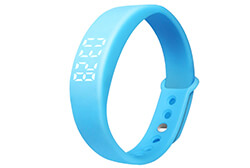 Sleek, Stylish and Affordable Watch
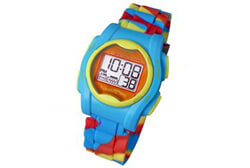 Multi-Function Watch with Numerous Features
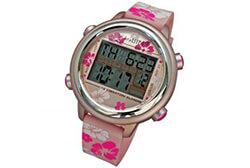 Recommended watch for teens and adults
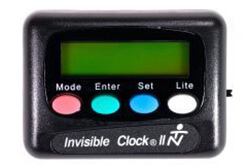 Perfect for medication and other reminders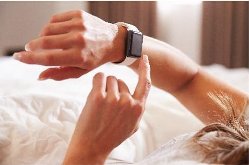













Bedwetting Alarms

Best Bedwetting Alarms for Children

CHUMMIE PREMIUM BEDWETTING ALARM
BEST SELLING
An excellent purchase! It gets 2 thumbs up from me!!
$99.99
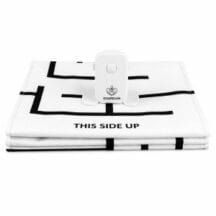
GUARDIAN BEDSIDE BEDWETTING ALARM
MOST COMFORTABLE
Just works! My kid is out of bedwetting.
$149.99

SHIELD MAX BEDWETTING ALARM
MOST CONVENIENT
Highly recommend to stop nighttime bedwetting accidents.
$64.99
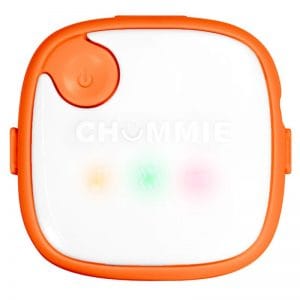
CHUMMIE ELITE BEDWETTING ALARM
SUPERIOR PERFORMANCE
An excellent purchase! It gets 2 thumbs up from me!!
$69.99


BLOOM BEDWETTING ALARM
VERY EFFECTIVE
The results are amazing. I'd definitely recommend it.
$94.99

Why buy from One Stop Bedwetting?
Choosing a Bedwetting Alarm for Boys
Every child has different sleep habits and comfort preferences, so choosing the right bedwetting alarm for a boy should focus on how deeply he sleeps, the type of sensor he is comfortable wearing, and the alerts most likely to wake him. Wearable alarms offer quick moisture detection close to the body, while bedside systems provide an alternative for boys who prefer not to wear a sensor. Deep sleepers may benefit from alarms that combine sound and strong vibration. Explore our complete selection of bedwetting alarms or continue below to learn what to consider when choosing an alarm for your son.
How Bedwetting Alarms Help Boys
Bedwetting alarms help boys learn to recognize and respond to wetness during sleep. When the moisture sensor detects the beginning of a bedwetting episode, the alarm activates so the child can wake, use the bathroom, and reset the alarm. With consistent nightly use, the goal is to help develop a stronger connection between bladder signals and waking.
- Detects moisture as a bedwetting episode begins
- Uses sound, vibration, or combination alerts to help wake the child
- Encourages boys to become more involved in their nighttime routine
- Supports gradual nighttime training through consistent alarm use
Choosing the Right Bedwetting Alarm for Boys
The right bedwetting alarm should fit your child's sleep habits, comfort preferences, and nighttime routine. Consider how easily your son wakes, whether he is comfortable wearing a moisture sensor, and which alert options are most likely to get his attention. Both wearable and bedside alarms can be effective choices depending on individual needs and preferences.
- Consider sound, vibration, or combination alerts based on sleeping habits
- Choose a moisture sensor that is comfortable and detects wetness quickly
- Look for an alarm that is simple to set up, reset, and use every night
- Compare wearable and bedside systems based on your son's comfort and preference
Bedwetting Alarms for Deep-Sleeping Boys
Boys who sleep deeply may not wake immediately when a bedwetting alarm activates. For these children, consider an alarm with multiple alert options and strong vibration rather than relying on sound alone. Parents may need to assist during the early stages by waking their son fully when the alarm sounds and gradually encouraging a more independent response.
- Consider alarms with loud or changing sounds and strong vibration
- Combination alerts can provide additional stimulation for deep sleepers
- Parents may initially need to help their son wake and use the bathroom
- Gradually encourage independent waking as he becomes more responsive
Bedwetting Alarm Success Tips for Boys
Consistency and encouragement are important when using a bedwetting alarm. Help your son make the alarm part of his regular bedtime routine, check that the moisture sensor is positioned correctly, and encourage him to respond fully when the alarm activates. Keeping the experience positive can help him become more involved and independent as nighttime training progresses.
- Use the bedwetting alarm consistently every night
- Check the moisture sensor placement before your son goes to sleep
- Help him wake fully, use the bathroom, and reset the alarm when needed
- Encourage progress and gradually reduce parental assistance over time
Bedwetting Alarm FAQs for Boys
What is the best bedwetting alarm for boys?
The best bedwetting alarm for a boy depends on his age, sleeping habits, comfort preferences, and how easily he wakes. Wearable alarms provide moisture detection close to the body, while bedside alarms are an alternative for boys who prefer not to wear a sensor. Deep sleepers may benefit from alarms that combine sound with strong vibration.
Do boys need a different bedwetting alarm than girls?
Boys do not necessarily require a different type of bedwetting alarm simply because they are boys. The more important considerations are sleep depth, comfort, sensor placement, alert strength, and ease of use. Choosing an alarm around the individual child's needs is generally more useful than choosing one based on gender alone.
What age can a boy start using a bedwetting alarm?
There is no single starting age that is appropriate for every boy. A bedwetting alarm is generally more practical when a child understands why the alarm is being used and is willing to participate in the nighttime routine. Readiness, motivation, and family support are important considerations.
What if my son sleeps through his bedwetting alarm?
Some boys, particularly deep sleepers, may initially sleep through the alarm. Parents can help by waking their son fully when the alarm activates, having him use the bathroom, and helping him reset the system. As he becomes more responsive, parental assistance can gradually be reduced.
Is a wearable or bedside bedwetting alarm better for boys?
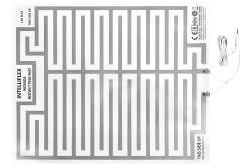
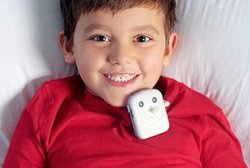
Both types can be considered. Wearable alarms position the moisture sensor close to the body and are compact for nightly use. Bedside alarms detect moisture through a sensing mat or pad and may appeal to boys who do not want a sensor attached to their clothing. Comfort and sleeping habits can help determine which design is preferable.
Where should the bedwetting alarm sensor be placed for a boy?
For a wearable alarm, the moisture sensor should be attached according to the manufacturer's instructions in a position where it can detect wetness promptly. Exact placement can vary by alarm design. Bedside systems instead use a moisture-sensitive mat or pad positioned on the bed. Correct placement helps the alarm respond as quickly as possible.
Are vibration alarms good for boys who are deep sleepers?
Vibration provides another type of alert in addition to sound and can be useful for boys who are difficult to wake. Some bedwetting alarms combine sound, vibration, and light, giving a deep sleeper several alert signals. Parents may still need to assist with waking during the early stages of alarm training.
How long should my son use a bedwetting alarm?
The time required varies considerably from one child to another. Rather than expecting results within a fixed number of weeks, parents can watch for gradual changes such as smaller wet spots, waking more quickly when the alarm activates, fewer wet nights, or beginning to wake before wetting. Follow the instructions supplied with the particular alarm being used.
How can I help my son stay motivated while using a bedwetting alarm?
Keep the routine supportive and focus on behaviors your son can control, such as setting up the alarm correctly, responding when it activates, using the bathroom, and resetting the system. Avoid punishment or embarrassment after a wet night. Recognizing participation and progress can help make nightly alarm training easier to maintain.
When should I talk to a doctor about my son's bedwetting?
Consider speaking with a pediatrician or healthcare professional if you are concerned about your son's bedwetting, particularly if it starts again after a prolonged period of dryness or occurs with symptoms such as painful urination, unusual thirst, daytime wetting, constipation, snoring, or other noticeable changes. A healthcare professional can determine whether further evaluation is appropriate.
"Choosing a bedwetting alarm for boys can be confusing. Reading this article made it simple and easy for me to choose the right bedwetting alarm for by boy." - Mary
"We have many bedwetter boys in our family but when my son started wetting the bed at night, I resorted to bedwetting alarms to stop nighttime bedwetting, and it worked!" - Trisha
"Bedwetting Alarms are the best bedwetting solution for boys. I have tried many other techniques and remedies, none of which worked as well as an alarm." - Samuel

NEED HELP PLACING AN ORDER?
Call us toll free: (800) 230-6775 Mon - Fri 9am-6pm PST. email: [email protected]