







 Our #1 Top SellerIdeal for Daily Use
 Premium Quality BeddingSoft and Comfortable
 Premium Quality BeddingLarge Urine Absorption
 AFFORDABLE PRICECHANGE DAILY AS NEEDED
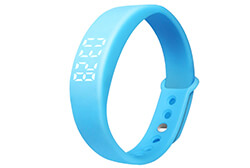 Sleek, Stylish and Affordable Watch
 Multi-Function Watch with Numerous Features
 Recommended watch for teens and adults
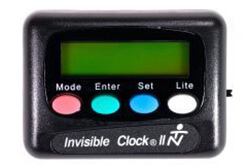 Perfect for medication and other reminders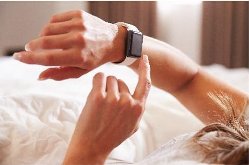






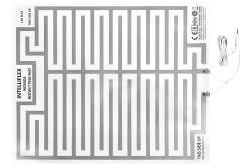


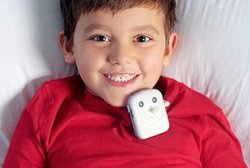





Bedwetting Alarms

Best Bedwetting Alarms for Teen Boys

CHUMMIE PREMIUM BEDWETTING ALARM
BEST OVERALL FOR TEENS
Powerful sound, vibration and light alerts for deep-sleeping teens.
$99.99
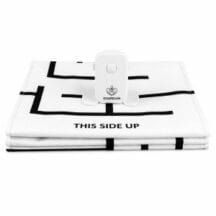
GUARDIAN BEDSIDE BEDWETTING ALARM
BEST BEDSIDE ALARM FOR TEENS
A comfortable bedside option with hygienic disposable sensing mats.
$149.99

SHIELD MAX BEDWETTING ALARM
BEST FOR DEEP-SLEEPING TEENS
Strong sound and vibration alerts in a compact wearable design.
$64.99

BLOOM BEDWETTING ALARM
SIMPLE WEARABLE OPTION FOR TEENS
A discreet, lightweight wearable alarm that is simple to use.
$49.99
Why buy from One Stop Bedwetting?
Choosing a Bedwetting Alarm for Teen Boys
Choosing a bedwetting alarm for a teenage boy should focus on sleep depth, comfort, privacy, and ease of independent use. A compact wearable alarm may suit teens who want rapid moisture detection close to the body, while a bedside system offers an alternative for those who prefer not to attach a sensor to their clothing. Deep-sleeping teen boys may benefit from alarms combining strong sound with vibration or multiple alert tones. Explore our complete selection of bedwetting alarms or continue below to compare important features and training considerations.
How Bedwetting Alarms Help Teen Boys
A bedwetting alarm detects moisture as nighttime wetting begins and activates an immediate alert. This gives a teenage boy an opportunity to wake, stop urinating, and use the bathroom. With consistent nightly use, the goal is to strengthen the connection between bladder signals and waking while helping him participate more independently in the routine.
- Detects moisture at the beginning of a bedwetting episode
- Provides sound, vibration, or combination alerts
- Helps develop a more consistent response to bladder signals
- Encourages greater independence during nighttime training
Choosing the Right Bedwetting Alarm for a Teen Boy
The right alarm should suit the teenager’s sleeping habits, comfort preferences, and desired level of privacy. Wearable alarms offer close moisture detection in a compact design, while bedside systems may be preferred by teen boys who do not want a sensor attached to their clothing. Ease of setup and independent operation should also be considered.
- Compare wearable and bedside systems based on personal comfort
- Look for a discreet design suitable for independent nightly use
- Choose alert options based on how deeply the teenager sleeps
- Consider how easily the alarm and sensor can be reset and cleaned
Bedwetting Alarms for Deep-Sleeping Teen Boys
Teen boys who sleep deeply may initially have difficulty waking when a bedwetting alarm activates. An alarm combining loud or changing tones with strong vibration can provide several alert signals. A parent may need to provide temporary assistance during the early stages until the teenager begins waking and responding more independently.
- Consider alarms with loud sounds and strong vibration
- Changing tones may provide additional audible stimulation
- Provide temporary waking assistance when necessary
- Reduce parental involvement as independent waking improves
Bedwetting Alarm Success Tips for Teen Boys
Consistency, privacy, and active participation can make alarm training easier for a teenage boy. Encourage him to set up the alarm before bed, respond fully when it activates, use the bathroom, and reset the system. Progress should be discussed respectfully, without criticism, embarrassment, or comparison with others.
- Use the bedwetting alarm consistently every night
- Check the alarm and moisture sensor before going to sleep
- Get out of bed, use the bathroom, and reset the alarm after activation
- Track progress privately and recognize gradual improvement
Bedwetting Alarm FAQs for Teen Boys
What is the best bedwetting alarm for a teen boy?
The best bedwetting alarm depends on how deeply the teenager sleeps, his comfort and privacy preferences, and whether he prefers a wearable or bedside system. Teen boys who sleep deeply may benefit from alarms that combine strong sound with vibration or changing alert tones.
Do bedwetting alarms work for teenage boys?
Bedwetting alarms can help teenage boys become more responsive to nighttime bladder signals. The alarm detects moisture as wetting begins and activates an alert, giving the teen an opportunity to wake and use the bathroom. Consistent nightly use and active participation are important.
Is a wearable or bedside alarm better for a teen boy?
A wearable alarm offers close moisture detection through a sensor attached to clothing, while a bedside system uses a sensing mat or pad on the bed. The better option depends on comfort, sleeping habits, privacy preferences, and whether the teen wants to wear a sensor.
What if my teenage son does not wake when the alarm activates?
Some deep-sleeping teenagers may initially sleep through the alert. A parent may need to wake him fully, encourage him to use the bathroom, and help reset the alarm. This assistance can gradually be reduced as he becomes more responsive.
Can a teenage boy set up and use the alarm independently?
Many teenage boys can attach the sensor, activate the alarm, respond when it sounds, and reset it independently. Practicing the routine before bedtime and keeping the instructions accessible can make nightly use easier.
Are bedwetting alarms discreet enough for teen boys?
Many alarms are compact and offer different alert settings. A teenager concerned about privacy should compare alarm size, sensor placement, vibration modes, and bedside options. Allowing him to participate in choosing the system can improve comfort and consistent use.
How often should a teen boy use a bedwetting alarm?
The alarm should generally be used consistently every night according to the manufacturer’s instructions. Irregular use may make it harder to establish a reliable connection between wetting, the alarm signal, and waking.
How can parents support a teen boy without embarrassing him?
Discuss bedwetting privately, avoid criticism or comparisons, and allow the teenager to manage as much of the routine as possible. Parents can provide practical help when needed while respecting his privacy and increasing independence over time.
How can we tell whether the alarm is helping?
Progress may include smaller wet spots, waking more quickly when the alarm activates, fewer wet nights, or eventually waking before wetting begins. Keeping a private record can make gradual improvement easier to recognize.
When should a teenage boy’s bedwetting be discussed with a doctor?
Consider consulting a healthcare professional if bedwetting begins again after a prolonged dry period or occurs with painful urination, unusual thirst, daytime wetting, constipation, snoring, or other symptoms. A doctor can determine whether further evaluation is appropriate.
"The perfect solution to our bedwetting problem was a bedside bedwetting alarm. He literally just slept at night and within a few weeks stopped bedwetting completely." - Sunita
"I was worried when he hit his 13th birthday. He was still bedwetting and I needed to find a solution. The alarm has worked very well and has solved his nighttime wetting problem." - Grant
"I am glad I purchased a bedside bedwetting alarm. It was comfortable, easy to use and affordable. No more diapers and soiled bed sheets for my son!" - Lindsey

NEED HELP PLACING AN ORDER?
Call us toll free: (800) 230-6775 Mon - Fri 9am-6pm PST. email: [email protected]