







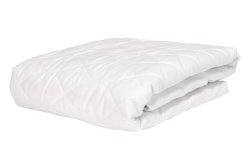
 Our #1 Top SellerIdeal for Daily Use
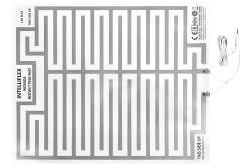
 Premium Quality BeddingSoft and Comfortable
 Premium Quality BeddingLarge Urine Absorption
 AFFORDABLE PRICECHANGE DAILY AS NEEDED
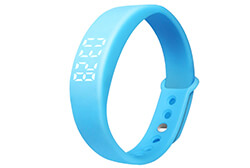 Sleek, Stylish and Affordable Watch
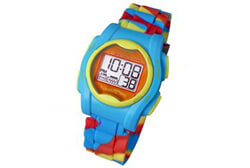 Multi-Function Watch with Numerous Features
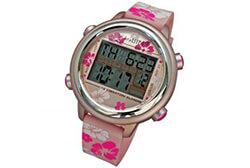 Recommended watch for teens and adults
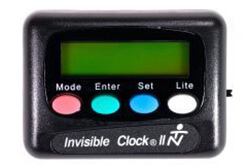 Perfect for medication and other reminders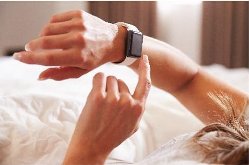








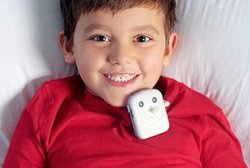





Bedwetting Alarms

Best Bedwetting Alarms for Teens

CHUMMIE PREMIUM BEDWETTING ALARM
BEST OVERALL FOR TEENS
Powerful sound, vibration and light alerts for deep-sleeping teens.
$99.99

GUARDIAN BEDSIDE BEDWETTING ALARM
BEST BEDSIDE ALARM FOR TEENS
A comfortable bedside option with hygienic disposable sensing mats.
$149.99

SHIELD MAX BEDWETTING ALARM
BEST FOR DEEP-SLEEPING TEENS
Strong sound and vibration alerts in a compact wearable design.
$64.99

BLOOM BEDWETTING ALARM
SIMPLE WEARABLE OPTION FOR TEENS
A discreet, lightweight wearable alarm that is simple to use.
$49.99
Why buy from Onestop Bedwetting?
Choosing a Bedwetting Alarm for Teens
Choosing a bedwetting alarm for a teenager requires balancing effective moisture detection with comfort, privacy, and ease of use. Many teens prefer a compact and discreet wearable alarm, while a bedside system can be an alternative for those who do not want a sensor attached to their clothing. Deep-sleeping teens may benefit from alarms that combine sound with strong vibration or multiple alert options. Explore our complete selection of bedwetting alarms or continue below to learn what to consider when choosing an alarm for a teenager.
How Bedwetting Alarms Help Teens
A bedwetting alarm detects moisture as nighttime wetting begins and immediately activates an alert. This helps the teenager wake, stop urinating, and use the bathroom. With consistent nightly use, the goal is to strengthen the connection between bladder signals, the alarm, and waking while allowing teens to participate more independently in the routine.
- Detects moisture at the beginning of a bedwetting episode
- Uses sound, vibration, or combination alerts to encourage waking
- Helps teens become more responsive to nighttime bladder signals
- Supports greater independence and confidence during alarm training
Choosing the Right Bedwetting Alarm for a Teenager
The right bedwetting alarm should match the teenager’s sleep habits, comfort preferences, and desired level of privacy. Wearable alarms provide rapid moisture detection close to the body, while bedside systems offer an alternative for teens who prefer not to attach a sensor to their clothing. Alert strength, ease of setup, and discreet operation should also be considered.
- Compare wearable and bedside alarms based on personal preference
- Consider compact and discreet designs suitable for teenagers
- Choose sound, vibration, or combination alerts based on sleep depth
- Look for an alarm the teenager can operate and reset independently
Bedwetting Alarms for Teens Benefits
Alarms offer many benefits for bedwetting teens. Not only do they stop bedwetting permanently, they also motivate teens and build much needed self-confidence.
- Teens can finally sleep dry at night without diapers/pull ups once they stop bedwetting
- No more pungent urine odors and urine stains on the mattress
- Bedwetting alarms for teens have high success rate to stop bedwetting with no side effects
- Many insurance companies cover bedwetting alarms as a DME purchase
- Bedwetting alarms are cheaper than expensive prescription medications with no side effects
Bedwetting Alarm Success Tips
There are several tings parents can do to improve the success of using a bedwetting alarm with a teen during the treatment. These are collected over time and approved by our specialists.
- Reward your teen when they sleep dry, encourage them and make them proud
- Never yell at them or punish them if they wet the bed; remember it’s not their fault
- Get a second bed mat in case your child is wetting more than once a night
- Protect your mattress by getting a good waterproof bedding
- Call or chat with our bedwetting specialists to guide you through the treatment
Bedwetting Alarm FAQs for Teens
What is the best bedwetting alarm for a teenager?
The best bedwetting alarm for a teenager depends on sleep depth, comfort, privacy preferences, and whether the teen prefers a wearable or bedside system. Deep-sleeping teens may benefit from alarms that combine strong sound with vibration, while others may prioritize a compact and discreet design.
Do bedwetting alarms work for teenagers?
Bedwetting alarms can be used by teenagers as part of a consistent nighttime training routine. The alarm detects moisture as wetting begins and activates an alert, helping the teen wake and use the bathroom. Regular use and active participation are important for making progress.
Is a wearable or bedside alarm better for a teen?
Wearable alarms provide moisture detection close to the body and are compact and portable. Bedside alarms use a sensing mat or pad and may appeal to teens who do not want a sensor attached to their clothing. The better option depends on the teenager’s comfort and sleeping habits.
Are bedwetting alarms discreet enough for teenagers?
Many bedwetting alarms have compact designs and vibration or combination modes that can provide greater discretion. Teens concerned about privacy should compare alarm size, sensor placement, alert settings, and ease of setup before selecting a system.
What if my teenager sleeps through the bedwetting alarm?
Deep-sleeping teens may not wake independently when the alarm first activates. A parent may initially need to wake the teen fully and encourage them to use the bathroom and reset the alarm. Assistance can gradually be reduced as responsiveness improves.
Can a teenager operate a bedwetting alarm independently?
Many teenagers can attach the sensor, activate the alarm, respond when it sounds, and reset it without assistance. Reviewing the instructions and practicing the routine before bedtime can make independent nightly use easier.
How often should a teen use a bedwetting alarm?
A bedwetting alarm should generally be used consistently every night according to the manufacturer’s instructions. Irregular use can make it harder to establish a reliable connection between nighttime wetting, the alarm signal, and waking.
How can teens maintain privacy during bedwetting alarm training?
Allow the teenager to participate in choosing and managing the alarm, keep supplies organized privately, and avoid discussing bedwetting with others without permission. A compact wearable alarm or a bedside system may be selected according to the teen’s privacy preferences.
How do I know whether the alarm is helping my teenager?
Progress can include smaller wet spots, waking more quickly when the alarm activates, fewer wet nights, or eventually waking before wetting begins. Keeping a private nighttime record can help the teenager and family observe gradual changes.
When should a teenager’s bedwetting be discussed with a doctor?
Consider consulting a healthcare professional if bedwetting begins again after a prolonged dry period or occurs with painful urination, unusual thirst, daytime wetting, constipation, snoring, or other noticeable symptoms. A doctor can determine whether further evaluation is appropriate.
"I thought my child would never stop bedwetting. When he finally turned 15 I purchased a bedwetting alarm and it worked like a charm. He hasn’t wet the bed in 3 months." - Rose
"I am relieved that my daughter stopped bedwetting. Years of frustration and suffering have finally been put to an end. I only wish I had purchased the alarm sooner." - Liv
"The specializes at On Stop Bedwetting made choosing a bedwetting alarm for my teen simple and easy. If you need to know how to stop bedwetting in teens, get an alarm!" - Dena

NEED HELP PLACING AN ORDER?
Call us toll free: (800) 230-6775 Mon - Fri 9am-6pm PST. email: [email protected]