







 Our #1 Top SellerIdeal for Daily Use
 Premium Quality BeddingSoft and Comfortable
 Premium Quality BeddingLarge Urine Absorption
 AFFORDABLE PRICECHANGE DAILY AS NEEDED
 Sleek, Stylish and Affordable Watch
 Multi-Function Watch with Numerous Features
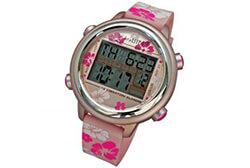 Recommended watch for teens and adults
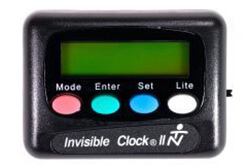 Perfect for medication and other reminders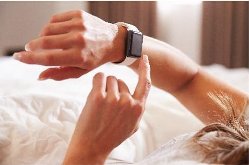













Why Holiday Travel Makes Bedwetting More Challenging
Holiday travel is exciting for families, but for parents managing bedwetting, it often comes with extra anxiety. New sleeping environments, changes in routine, long travel days, and excitement before bedtime can all increase the likelihood of nighttime accidents. Children who normally do well at home may struggle when sleeping in hotels, relatives’ homes, or unfamiliar beds. This is exactly why planning ahead and using reliable bedwetting alarms becomes even more important during travel-heavy seasons.
How Travel Disrupts Nighttime Bladder Control
When children travel, their bodies and brains experience disruption. Bedtimes change, fluid intake is less predictable, and sleep cycles are affected by excitement or exhaustion. These changes can weaken the brain–bladder connection that children are still developing. According to the American Academy of Pediatrics – Bedwetting in Children, bedwetting is a developmental issue, and consistency plays a major role in progress. Removing a child’s usual nighttime tools during travel often leads to setbacks.
Why a Bedwetting Alarm Is Essential Away From Home
Many parents mistakenly stop using a bedwetting alarm while traveling, hoping accidents won’t happen “just for a few nights.” Unfortunately, this pause can slow progress or even reverse it. Using one of your trusted bedwetting alarms during travel helps maintain consistency and reassures your child that their routine stays the same, no matter where they sleep. A bedwetting alarm continues training the brain to respond to bladder signals, even in a new environment.
Choosing a Travel-Friendly Bedwetting Alarm
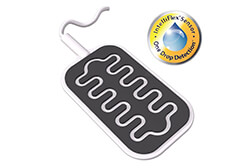
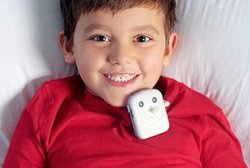
Not all alarms are ideal for travel. Bulky systems or alarms that react too late can be frustrating, especially in shared sleeping spaces. Travel-friendly alarms should be compact, easy to pack, quick to reset, and comfortable enough for uninterrupted sleep. Many families choose the Chummie Premium Bedwetting Alarm because its early one-drop detection helps children wake sooner, reducing the chance of a full accident. This early response is particularly helpful when sleeping on unfamiliar mattresses.
Managing Deep Sleepers in Hotels and Guest Rooms
Children often sleep more deeply during travel due to long days and overstimulation. Deep sleepers may not wake up easily in a quiet hotel room or guest bedroom. In these situations, a stronger alarm option such as the Chummie Pro Bedwetting Alarm can be especially useful. Its enhanced sound and vibration settings help ensure the child wakes up quickly, preventing prolonged wetting and minimizing disruption to others nearby.
Protecting Beds and Reducing Cleanup Stress
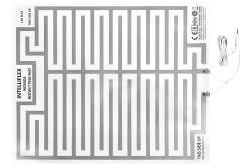
One of the biggest worries parents have while traveling is damaging mattresses or causing embarrassment at a relative’s home. Preparation makes all the difference. Packing reliable waterproof mattress protectors provides peace of mind and protects bedding without making the child feel uncomfortable or singled out. Knowing that accidents can be handled discreetly helps both parents and children sleep more peacefully.
Keeping Bedtime Routines Consistent While Traveling
Routine is the foundation of successful bedwetting alarm training. Even during travel, maintaining a consistent bedtime process helps reinforce progress. Encourage your child to use the bathroom before bed, attach the alarm correctly, and review what to do if it goes off. A short “practice run” before sleep can be helpful in a new environment. When children know exactly what to expect, they are more likely to respond quickly when the alarm sounds.
Helping Children Feel Confident During Sleepovers
Holiday travel often includes sleepovers with cousins or friends. This can be stressful for children who fear embarrassment. Using a discreet bedwetting alarm allows children to feel prepared rather than anxious. Explaining that the alarm is simply a tool for learning—not something to be ashamed of—can help normalize the experience. For parents seeking reassurance, understanding why bedwetting happens can make these conversations easier and more supportive.
Why Skipping the Alarm Can Slow Progress
Some parents believe short breaks from alarm training won’t matter, but even a few nights without reinforcement can weaken progress. Medical experts, including those cited by the Mayo Clinic – Bedwetting (Enuresis), emphasize consistency as a key factor in long-term success. Continuing alarm use during holidays keeps training on track and prevents setbacks that often occur after travel.
Turning Holiday Travel Into a Success Opportunity
With the right preparation, holiday travel doesn’t have to interrupt bedwetting progress. In fact, successfully managing dry nights away from home often boosts a child’s confidence and motivation. Children realize they can handle different environments, which strengthens their belief that dry nights are achievable everywhere—not just at home.
Final Thoughts for Traveling Families
Holiday trips are meant to be joyful, not stressful. By continuing to use a reliable bedwetting alarm, protecting bedding, and maintaining familiar routines, families can enjoy travel without constant worry about nighttime accidents. If you’re looking for a complete approach, explore the full range of bedwetting solutions designed to support children at every stage of their journey. With consistency and the right tools, dry nights don’t have to take a holiday break.
Related Articles
Bedwetting Alarm 30 Day Success Plan for Parents
Best Bedwetting Alarms for Deep Sleepers in 2025
Top Mistakes Parents Make When Using Bedwetting Alarms — And How to Fix Them