







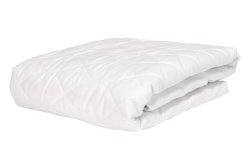
 Our #1 Top SellerIdeal for Daily Use
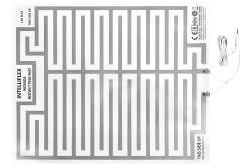
 Premium Quality BeddingSoft and Comfortable
 Premium Quality BeddingLarge Urine Absorption
 AFFORDABLE PRICECHANGE DAILY AS NEEDED
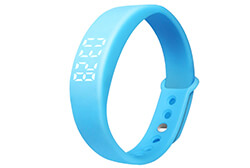 Sleek, Stylish and Affordable Watch
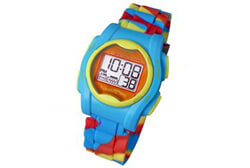 Multi-Function Watch with Numerous Features
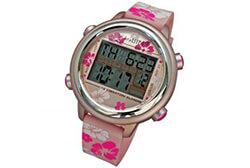 Recommended watch for teens and adults
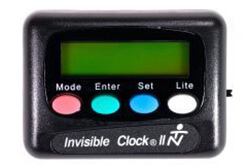 Perfect for medication and other reminders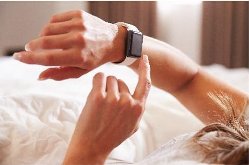










Best Bedwetting Alarms for Kids, Teens & Deep Sleepers: Complete Buyer’s Guide
Bedwetting can be frustrating for children and parents alike, but it is also a common childhood challenge that many families successfully overcome with the right approach. Among the different solutions available today, bedwetting alarms are widely recognized as one of the most effective tools for helping children develop nighttime awareness and achieve long-term dry nights.
Choosing the right alarm, however, can feel overwhelming. There are many options available with different sensors, designs, features, and price points. The best choice depends on your child’s age, sleeping habits, comfort level, and how easily they respond to nighttime alerts.
At One Stop Bedwetting, we help families understand their options and find the right approach for their needs. Whether you are looking for a solution for a young child, a teenager, or a deep sleeper, understanding what makes a quality alarm can help you make a better decision.
How Do Bedwetting Alarms Work?
A bedwetting alarm is a device designed to detect moisture at the beginning of urination and alert the child before the bed becomes fully wet. The alarm creates a connection between bladder signals and waking up, helping the child gradually learn to respond naturally during the night.
Unlike products that simply manage wet nights, alarms focus on building awareness and encouraging a long-term behavioral change.
Parents who want to understand the science behind alarm training can learn more about how bedwetting alarms work and why consistent use is important for success.
Why Choose a Bedwetting Alarm?
Many parents choose alarms because they address the underlying habit rather than only managing accidents. With regular use, a child learns to recognize the feeling of a full bladder and develop the ability to wake up before wetting occurs.
Benefits of using a bedwetting alarm include:
- Helps children develop nighttime awareness
- Encourages independence and confidence
- Provides a structured training approach
- Can create long-term improvement when used consistently
- Works for many different ages and sleep patterns
However, not every alarm is the same. Features, comfort, and usability can make a significant difference in the overall experience.
What Makes a Good Bedwetting Alarm?
When comparing different options, parents should focus on the features that will matter most for their child.
1. Reliable Moisture Detection
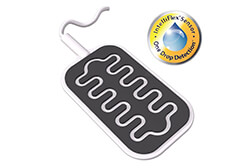
The sensor is the most important component of any alarm system. A good sensor should detect moisture quickly and activate the alarm at the right time.
If an alarm responds too slowly, the child may already be fully wet before waking up. Accurate detection allows the child to begin learning the connection between bladder signals and waking.
When comparing different bedwetting alarms, parents should consider sensor reliability as one of the first factors.
2. Comfortable Design
Children need to use their alarm every night, which means comfort matters.
A good alarm should be:
- Lightweight
- Easy to wear
- Comfortable throughout the night
- Simple for children and parents to manage
If a child finds the alarm uncomfortable or difficult to use, maintaining consistency can become challenging.
3. Strong Sound and Vibration Options
Some children wake easily, while others are extremely deep sleepers and may need additional stimulation.
The best alarms provide alerts that are noticeable enough to wake the child while still being practical for nighttime use. Some systems offer different sounds, volume settings, vibration options, or wearable designs to match different sleep patterns.
Parents with children who sleep very deeply may want to explore specialized information about bedwetting alarms for deep sleepers before choosing a solution.
4. Ease of Use
A complicated alarm can make training harder than necessary. Parents should consider how easy the system is to set up, clean, maintain, and use every night.
The best alarm is not always the one with the most features. It is the one that fits naturally into your family’s routine and that your child will consistently use.
Best Bedwetting Alarms for Different Needs
Every child has different needs, so the right alarm depends on the situation.
Best Bedwetting Alarm for Younger Children
Younger children often benefit from alarms that are simple, comfortable, and easy for parents to support.
At this stage, parental involvement is important. Parents may need to help the child wake up, reset the alarm, and understand the training process.
The goal is to gradually help the child become more aware and independent.
Best Bedwetting Alarm for Teens
Teenagers may prefer alarms that offer more privacy, comfort, and independence.
Older children often understand the process better and can take more responsibility for responding to the alarm each night. A discreet design and reliable performance can make it easier for teens to continue training.
Best Bedwetting Alarm for Deep Sleepers
Deep sleepers can present a unique challenge because they may not wake easily when the alarm activates.
For these children, parents should look for:
- Strong sound alerts
- Vibration features
- Reliable moisture detection
- Comfortable wearable designs
Choosing an alarm designed for heavier sleepers can improve the overall training experience.
Comparing Different Types of Bedwetting Alarms
Parents will typically find several categories of alarms available.
Wearable Bedwetting Alarms
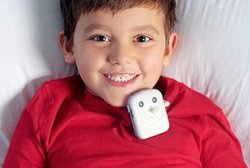
Wearable alarms attach to the child’s clothing and use a sensor placed near the underwear area. These are popular because they detect moisture immediately and alert the child directly.
Wireless Bedwetting Alarms
Wireless systems provide more flexibility and may allow children to move more comfortably during sleep.
Bedside Alarm Systems
Some alarms use a bedside unit connected to a moisture sensor. These may be preferred by families who want a larger alert system.
The best option depends on your child’s comfort, sleeping habits, and your family’s preferences.
How to Compare the Best Bedwetting Alarms
When comparing different models, parents should look beyond price alone.
Important questions to ask include:
- How accurate is the sensor?
- Is the alarm comfortable for nightly use?
- Will my child respond to the alert?
- Is it easy to clean and maintain?
- Does it match my child’s sleeping habits?
Our guide to the best bedwetting alarms provides additional information to help parents compare different options.
Popular Bedwetting Alarm Options
There are many trusted products available, and families should choose based on their child’s individual needs.
Some parents prefer specialized solutions designed for deep sleepers, while others prioritize comfort, simplicity, or advanced features.
The Chummie bedwetting alarm is one option many families consider because of its focus on child-friendly design, reliable detection, and nighttime training support.
Common Mistakes Parents Make When Choosing an Alarm
Choosing Only Based on Price
The cheapest option may not always provide the comfort, reliability, or features needed for successful training.
Expecting Immediate Results
Bedwetting alarm training is a process. Some children improve quickly, while others require several weeks or months of consistent use.
Not Maintaining a Routine
Consistency is one of the most important factors in success. Using the alarm every night and following a predictable routine can improve results.
Choosing an Alarm Without Considering Sleep Patterns
A light sleeper and a deep sleeper may need different features. Understanding your child’s habits helps you select a more appropriate solution.
How Long Does Bedwetting Alarm Training Take?
The timeline varies from child to child. Some children begin showing improvement within a few weeks, while others need longer practice.
Success usually depends on:
- Consistent nightly use
- Parent support
- Child motivation
- Proper alarm setup
The goal is not just fewer accidents — it is helping the child develop the ability to wake naturally when their bladder is full.
Frequently Asked Questions About Bedwetting Alarms
What age should a child use a bedwetting alarm?
Many children begin using alarms around age five or older, depending on their readiness and ability to participate in the process.
Are bedwetting alarms effective?
Bedwetting alarms can be highly effective when used consistently and correctly. They work by helping children develop awareness of bladder signals during sleep.
Do bedwetting alarms work for deep sleepers?
Yes, but deep sleepers may need alarms with stronger alerts, vibration features, and consistent parental support during early training.
How long should a child use a bedwetting alarm?
Most children need several weeks of consistent use, although the exact timeline varies depending on individual progress.
Final Thoughts: Choosing the Right Bedwetting Alarm
The best bedwetting alarm is the one that matches your child’s needs, sleeping habits, and comfort level.
Whether you are choosing an alarm for a younger child, a teenager, or a deep sleeper, focus on reliability, comfort, ease of use, and consistency. A well-designed alarm can help children build confidence and develop the skills needed for long-term dry nights.
With the right information and the right approach, families can find a solution that supports their child’s journey toward nighttime independence.
Related Articles
Bedwetting Alarms for Deep Sleepers: What Parents Should Look For
Bedwetting Alarms: Wearable vs Bedside Systems—Which Is Right for Your Child?